California Attorney General Rob Bonta on federal lawsuits, elections and e-bikes | CA Politics 360
Attorney General Rob Bonsa, thanks so much for making time for my pleasure. Good to see you, Ashley. So I first just wanna get, uh, I just wanna unpack, um, some statements you made earlier this week about potentially requesting more money for your work in terms of either court fights against the Trump administration or on antitrust issues, um, and what you’ve said is the absence of the Trump administration. So what is, what is, what could that request look like? Sure, so sort of two different buckets but related, I, I, I, I guess, and we made *** request to the governor and to consider, um, increased funding for antitrust work and that’s like anti-monopoly work when there are unlawful corporate mergers that can. Basically increase unaffordability, raise prices for everyday folks. We believe that that is an area that needs to be monitored and regulated. We need to have enforcers there. The federal administration is not playing its traditional role. They’ve retreated from that role, so we believe we need to do it. These are expensive cases. Usually *** case costs $20 million and takes 20 attorneys to get *** case done. And so we’re grateful that the governor put in his proposed budget an additional $14 million for our office to do anti-monopoly work, and that will fund *** number of different attorneys as well as have enough money for experts and if we need to hire outside counsel to afford that as well. So the work needs to get done. Californians deserve that. The federal government really should be doing. *** lot of this work as they have in the past, they’re not, so we’re going to step in. When it comes to our ongoing federal accountability work, the work that’s led to our 68 lawsuits now and just about that many weeks where we’ve protected $200 billion worth of funding, we’ve protected constitutional rights and freedoms, we’ve pushed out unlawfully federalized and deployed National Guard, struck down unlawful tariffs twice, defended Prop 50. That’s some of the work that we’ve done. We are monitoring right now what our capacity is, what our needs are. *** lot of it has to do with what the Trump administration does. If they stop breaking the law, then we don’t have to bring the lawsuits. If they increase, for example, the number of times they’re breaking the law, we’ll have to do more. But we’re in an ongoing conversation to make sure we just have enough funding, and we’re grateful that the legislature and the governor have in the past provided support for our work, and we think we’ve delivered incredible return on investment. Um, you know, ***, ***, *** couple tens of millions of dollars of funding to lead to $200 billion worth of, uh, federal funding for California protected. The, um, the legislature and governor in an emerg like in an emergency special session last year, the resources you’re referring to $25 million. Do you know how much of that you have left in *** sense? I think we’ve used over half, if not more, and we also got money in the uh the budget outside of the special session in the budget that followed last November’s or two Novembers ago special session funding, so um. I don’t have the exact amount, but I know we’re putting it to good use and there’s more of it spent than left. OK, and you’re not expecting the budget asset you’re making, the $14 million for the antitrust, that would be in the regular budget process. You’re not asking for like *** special session or no more special session and even any additional funding for our, we call it our federal accountability work to make sure the Trump administration doesn’t break the law and hurt California, that that should come through the normal budget process. On the antitrust component, what exactly, what cases are the most concerning to you right now that these cases that are so expensive and that you say are requiring *** lot of manpower? Yeah, you know, it’s really interesting right now we have *** constellation of cases that are kind of all happening at once at different points in the process, but they’re all happening right now. Like what? We just had *** major jury verdict victory in the Ticketmaster Live Nation case. *** case about live music and the amount of money that people pay and the experience that they pay for tickets and that they have on Ticketmaster and we argued that Ticketmaster Live Nation was operating as an illegal monopoly. They were involved in promoting artists as well as representing venues and. Selling tickets and they had tying arrangements and they used their market power to increase prices and they even said things like we’re robbing consumers blind and they’re so stupid and we presented that to *** jury and we won on every single question presented to the jury. We have the Nextar Tegna merger case which is about *** local broadcast news and. It is presumptively unlawful based on the market share that Next Artena as *** merged entity would have in certain places like Sacramento, San Diego. We already have *** preliminary injunction in that case. We’re looking at Paramount Warner Brothers in that merger. We haven’t made *** decision about what we’re going to do yet, but there’s red flags in the air, and we’re very concerned about that potential merger. We have an ongoing case against Amazon for making prices higher for everyday people who so many of us use Amazon, and they say that they provide *** low price or the lowest price, but we have evidence that shows that they are involved in price fixing with other retailers that actually raise the price and make it higher. So these are all about affordability for Californians and for Americans, and these cases are all happening at once. And normally the federal government through the DOJ or FTC would be involved, maybe even leading because they have heavy resources, big offices, but they don’t seem interested in fairly and firmly enforcing antitrust law. They feel it seems like they’re more interested in picking winners and losers, allowing and ushering mergers through when it helps their friends, and that’s not what the people of this state and this country deserve. They deserve *** free and fair market, not *** rigged market. Is it your assumption that I essentially that’s where this is going with this budget ask more antitrust. Issue work for your office as opposed to maybe the weekly lawsuit against the new orders that are coming out from the administration. Yes, we expect more antitrust cases and us to have *** more prominent role because the federal government is not doing its traditional job. We’ve had cases like Ticketmaster Live Nation. That was *** case where we brought the suit with the USDOJ. It was under Biden when we brought the suit and they were leading. They used *** lot of their resources, their staff, their big team, and. The federal government under Trump settled *** couple of days into trial and just bailed, and it was *** slap on the wrist, sweetheart deal in our view, very inadequate and inappropriate. So the states had to fight on and use more of our resources, our team, our staff to be able to bring the case. So that’s what we see. It’s sort of *** *** difference of roles, *** vacuum created by the federal government, not doing its traditional job and *** need for the states to step into that vacuum. California, the largest state DOJ in the nation, so we’re going to have an outsized role given our size to do more, and that requires unfortunately more funding to get the job done. How much of the oxygen of your office is taken up by these federal government related lawsuits? *** good amount, but we’ve got *** lot of oxygen. We’re doing everything that we did before Trump became president, and on top of that, additively, we are doing everything necessary to make sure they don’t break the law or violate the Constitution and that things like antitrust work gets done. So that’s why we need the more additional resources. We were doing *** lot. We want to continue to do all that tackling fentanyl, organized retail crime, human trafficking, hate crimes, gun trafficking, stopping murders in progress, cracking cold cases, protecting consumer rights and civil rights, constitutional rights. We do *** lot to have more housing built, protect our workers’ rights and healthcare rights and access, protecting our planet and our climate and our environment, and and. We need to make sure that the Trump administration is not breaking the law and hurting California, and we need to make sure that antitrust law is being anti-monopoly law is being properly enforced so it’s on top of what we already do, and we do it all and we walk and chew gum at the same time. You also do elections law, and I wanted to just get your take on. This I guess unchartered territory of what’s happening in our elections right now in *** couple of ways. The first way being, um, right now we’re seeing it with all the campaigns, especially the candidates running for governor, influencers who are being paid, and apparently there’s *** lack of disclosure from those influencers about who they’re supporting, promoting, and why. Is there, is, is there *** lane for the Department of Justice here or is this more of *** Fair Political Practices commission situation? What’s, what’s your role and your, your thought here? We’ve received some complaints on this to our office and like any complaint, we’ll review it to determine what role we have and what we should be doing and if we should be taking action. On first blush, this is squarely within the purview of the California Fair Political Practices Commission. This is what they do in campaigns and for political expenditures, they make sure that all the rules are being followed, disclosures are made, reporting is done right and accurately. So I think that they have the lead role here, the primary role, maybe the exclusive role, but we will look at the complaint and make *** decision. But I definitely think that the FPPC. Uh, has *** critical role here. OK, separate from that, I realize this probably isn’t elections law, it’s more so gambling, but these predictive markets, I know you’ve, you’ve talked about this in the past, but everyone can bet on the governor’s race right now in the state. Everyone can bet on *** variety of races and ballot issues. And where is your office on this right now? What’s the update? Yeah, you know, first I’ll say we, we, um. I’ve seen as California AG and as *** legislator before that for 8+ years. Emerging and evolving challenges, threats, risks, for example, we had to deal with ghost guns. That wasn’t *** thing 10 years ago, now it is. Fentanyl, not as much of *** challenge 10 years ago. Now it is, and predictive markets kind of came on the scene over the last couple of few years. And so they present challenges and risks that we need to address. What we’ve been fighting for, and we’ve filed 5 different amicus briefs across the country on this issue. Is we wanna make sure that California has an ongoing uh role that we have ongoing power and authority to make decisions about um the health, safety and welfare of people in our state, including um. Regulating gambling and. Some of the predictive market companies believe that their authorization by the federal government preempts any state involvement, and so that issue is being addressed now. So we’re just fighting for our state sovereignty, our say, our authority, our power in this space. We think we should be able to enforce and regulate these companies that they can’t just be preempted. They can’t just preempt us with some federal approval. That’s the focus of our fight right now, and I’m very aware that there’s concerns in the legislature. I think Speaker Rivas has some interest in taking some action. There’s concerns about betting in politics. There’s certainly concern about betting on things like war and terrorism and crime and things like that, and I think there’s *** lot of regulations already in place at the federal level to prevent *** lot of that or most of that. But this is an appropriate place for policymakers to engage, to think about it, to look at the pros and the cons, to balance the different interests and to make *** decision, and I look forward to them going through that process. Our role in the executive branch is to enforce the law. So right now we’re fighting for our authority and if there’s any new laws that get passed by the legislature and the governor, we’ll be active enforcing those. The governor, he on his own right now we sort of have *** piecemeal situation with this. The governor’s administration, he put out an executive order to prohibit his staff, his employees from. Doing any of this on, you know, with, with state information, the legislature doesn’t have that on the books for themselves right now. Does your office have *** polic have *** policy like I checked Cal Shea, I checked Poly Mart. I don’t see like the California governor’s or excuse me, the California attorney general’s race on there yet, but do you have like an internal policy that would prohibit folks in your orbit from partaking in this? You know, um. I don’t think we have *** formal written policy right now on this issue. It’s something that I think where common sense should prevail and and certainly *** lot of these bets are available, as I understand it, to the public, to journalists, to reporters. So should anyone decide that they’re going to try to bet on politics, race, or engage in *** predictive market in that space, it would be known. And I think you know your attention to this, other journalists’ attention to this is appropriate. I think folks have been called out in the past who were betting on in the predictive markets on gubernatorial races, and some were associated with gubernatorial candidates and got banned from making any additional bets going forward, and I think that’s completely appropriate, but you know the. The legislature should act in this space. If they don’t and journalists, the public are rightfully concerned about people making money off of insider information. That shouldn’t happen. They’re worried about that happening in Congress. They’re worried about that happening potentially at the state level or any government, and that’s an appropriate concern and that shouldn’t be happening. Um, speaking of evolving technologies and shifting gears, uh, literally, um, I wanna ask you about e-bikes because this has been, and we’ve gotten *** lot of feedback on stories that we’ve done first, so since you issued your consumer alert, what have there been any additional actions from your office on in this space? Our main action is the consumer alert, and we think that that’s *** very important role that we can play. We’re we’re saying *** couple of things when we issue an alert. We’re saying. For folks who aren’t clear, here’s the lay of the land. Here are the rules of the road, so to speak, and they must be followed. We’re also saying we’re looking, we’re watching, and this matters to us, and we’re prepared to enforce if necessary, and we expect compliance. We don’t want to have to enforce. We’re sending you the rules. Follow them. Folks need to be reminded that that certain things that are being called e-bikes could very well be mopeds or motorcycles, and whether it be having *** 20 mile per hour cap on speed or *** 28 mile per hour cap on speed, depending on the class of the e-bike, there are certain rules that go along with those e-bikes. Class 2 and 3, you need to be 16 years old, you need to wear *** helmet. For those that are. e-bikes that are actually mopeds and motorcycles, you need to get *** driver’s license and authorization to be of age. And so we just want to make sure people knew the rules. And to the extent that consumer alerts have an impact, it had *** major impact pretty quickly when Amazon decided to stop selling certain types of e-bikes on their platform. That is great. Hats off to Amazon for doing that and being *** responsible corporation in that regard, taking those steps, I think that will enhance safety, that will enhance compliance across the board, but getting the word out is very important. This is something that parents should know about. Users of the e-bikes should know about and retailers should know about. We so with Amazon, one of our reporters, Jason Marks, emailed Amazon and asked them about *** like *** set of e-bikes that they were selling that seemed to be contrary to the law, and Amazon, you know, asked him to send back like the specific bikes that he was referring to. And um after *** bit of back and forth Amazon took those bikes down. Now those are just *** few of the bikes we don’t know if all of them were and what kind of follow up is your office doing in the space? How much time are you giving retailers and everyone to comply? We’re considering our next steps and what we need to do. Uh, do we need to send cease and desist letters? Do we need to be scouring all of the websites for all of the bikes, you know, we, we are able to. Get *** lot of work done with with the consumer alert because then that that flags the issue and it should elicit compliance. Amazon shouldn’t be just receiving. Specific mentions of specific bikes by journalists and then looking at just those, go look at all the e-bikes that you have on your platform, reaffirm that they’re all consistent with the law, and if they’re not, remove those ones that aren’t. Take affirmative steps. Don’t just take reactive steps to certain specific inquiries from journalists. I think that’s what *** responsible corporations should do, and I think anyone who’s selling e-bikes should be doing that right now. And then we reserve all of our rights to take next steps. This is usually *** first step. We’re warning you. Here are the rules, follow them. Uh, if you don’t, then we can ratchet up the enforcement. Is there anything else you should think we should know about any of these last few topics we just talked about? Um, or anything else beyond them. I’m happy to answer any of your questions, uh, but you know, uh, I, I do want to just assure viewers as the elections near and and we’re in them now, we’re in the election window. People are voting right now. We are very focused on election integrity, making sure that everyone’s right to vote is something that they could is protected, that their voice is their vote and their is is counted accurately, securely, safely, and we are looking at all the different ways there could be. Interference with our elections process that is fair and accurate and reliable and trustworthy and we’re preparing for different scenarios like the military or ICE at polls like. The US Postal Service being weaponized to interfere with vote by mail ballots like seizure of ballots. So on behalf of the people of the state who have the fundamental right to vote, the right from which all of the rights flow, we’re doing our due diligence to be prepared and be ready for any potential interference that undermines that right to vote. All right, Mr. Attorney General, thank you so much for your time. Thanks, Ashley. Good to see you. You too.
California Attorney General Rob Bonta on federal lawsuits, elections and e-bikes | CA Politics 360

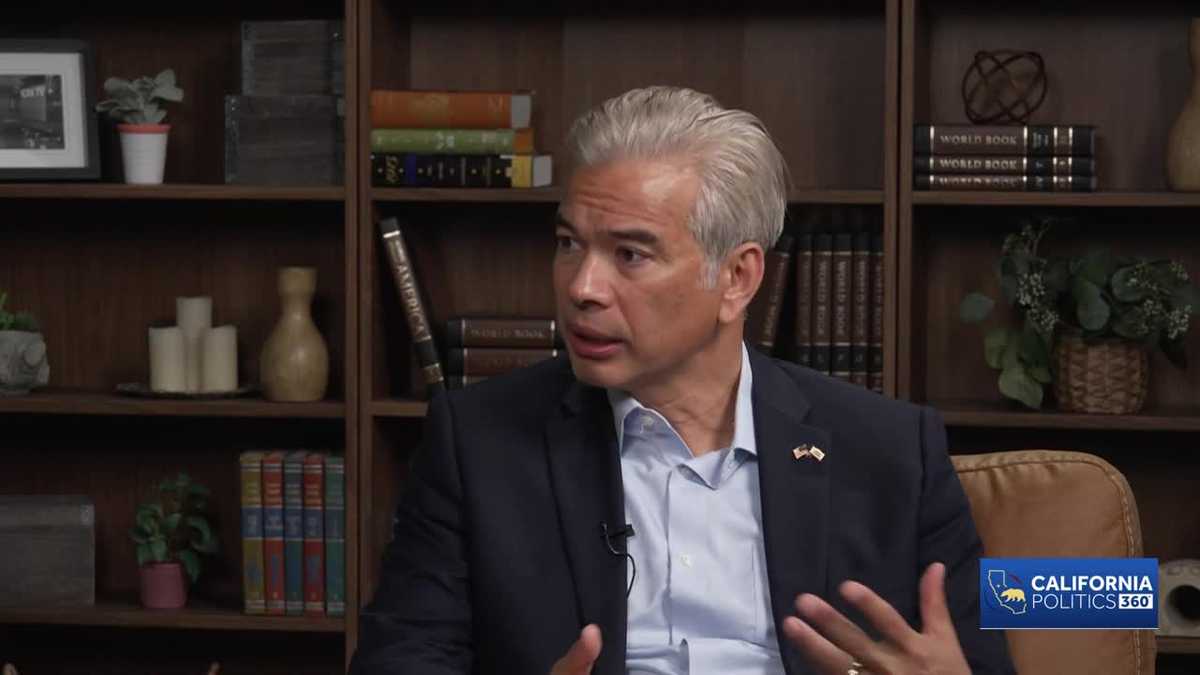
California Attorney General Rob Bonta sat down for a wide-ranging discussion on California Politics 360. It comes as his California Department of Justice works nearly 70 lawsuits against the Trump administration and as the department requests more money for federal-related lawsuits. Here’s a breakdown of the interview, which you can watch in full in the video player above. Bonta says CADOJ needs more money for federal-related lawsuits The California Department of Justice is reviewing its finances to see if it needs more money to directly fight the Trump Administration in court. In the meantime, the attorney general says his department needs more money to fight anti-trust cases, work that he expects to ramp up in the coming months. Bonta pointed to the anti-trust cases the state is either already involved in or considering taking action against. That include cases against Amazon, Ticketmaster-LiveNation, Nexstar-Tegna and the Paramount-Warner merger. Bonta said the company mergers and practices are harmful to consumers. “We need to have enforcers there. The federal administration is not playing its traditional role. They retreated from that role. So we believe we need to do it,” Bonta said. Through the governor’s office, Bonta is specifically requesting an extra $14 million in the state budget for this upcoming year. The money would help beef up staff in the California Department of Justice’s anti-trust unit. It could also be used on private attorneys to help with the caseload. “The work needs to get done. Californians need, deserve that. The federal government really should be doing a lot of this work as they have in the past,” Bonta said. When it comes to lawsuits against the Trump administration, California’s Department of Justice has so far filed 68. The California Legislature and Gov. Gavin Newsom last year gave the CADOJ an extra $25 million for those court battles. Bonta says the department has so far used about half of it. The attorney general says those lawsuits have so far protected $200 billion worth of funding. “I know we’re putting it to good use,” Bonta said. Bonta weighs in on elections laws, betting on politicsWith the California governor’s race in full swing and less than two weeks out from the primary elections, Bonta says his office has received complaints. Candidates including Tom Steyer and Xavier Becerra have been accused of paying influencers to promote and support their campaigns for governor without properly disclosing that to people who see the positive posts online. Bonta said he believes the situation is “squarely within the purview of the California Fair Political Practices Commission.” The attorney general also weighed in on how people in California can bet on politics right now on apps like Kalshi and Polymarket. Those bets include the governor’s race and the outcome of proposed ballot measures. “Some of the predictive market companies believe that their authorization by the federal government preempts any state involvement. And so that issue is being addressed now,” Bonta said. “We’re just fighting for our state sovereignty, our say, our authority, our power in this space. We think we should be able to enforce and regulate, these companies that they can’t just be preempted, they can’t just preempt us with some federal approval.” The political betting also raises insider trading questions in California’s government. Gov. Newsom signed an executive order earlier this year prohibiting officials in his administration, their family members and friends from benefiting from political bets. But there’s nothing that would stop people in California’s Legislature from benefitting on bets placed on the outcome of elections or fate of proposed state laws. While the California Attorney General’s race is not yet a bet on Kalshi or Polymarket, other state attorneys general races are available. When asked if the CADOJ has an internal policy to prohibit the insider trading, Bonta said there isn’t a formal written policy. “It’s something where common sense should prevail,” Bonta said.”The Legislature should act in this space,” he said. “Journalists, the public are rightly concerned.” Bonta says issues with e-bikes are on his radarFollowing serious injuries, deaths and concerns around illegal e-bikes in the state, the California Department of Justice issued a consumer alert around bikes that exceed legal speed limits. “We’re looking, we’re watching, and this matters to us,” Bonta said. “We’re prepared to enforce if necessary. And we expect compliance. We don’t want to have to enforce. We’re sending you the rules. Follow and, folks needed to be reminded that, that certain things that are being called e-bikes could very well be mopeds or motorcycles.” Amazon shortly thereafter stopped selling illegal e-bikes online. The retail giant took down several listings after KCRA 3 inquired about them. When asked how long the CADOJ is giving retailers to comply with the law, Bonta said the department is considering its next steps. “Do we need to send cease and desist letters? Do we need to be scouring all of the websites for all of the bikes? You know, we are able to get a lot of work done with the consumer alert because then that, flags the issue,” Bonta said. “Amazon shouldn’t be just receiving, specific, mentions of specific bikes by journalists and then looking at just those like, go look at all the e-bikes that you have on your platform, reaffirm that they’re all, consistent with the law. And if they’re not, remove those ones that aren’t,” Bonta said. “Take affirmative steps. Don’t just take reactive steps to certain specific inquiries from journalists.” KCRA 3 Political Director Ashley Zavala reports in-depth coverage of top California politics and policy issues. She is also the host of “California Politics 360.” Get informed each Sunday at 8:30 a.m. on KCRA 3.
California Attorney General Rob Bonta sat down for a wide-ranging discussion on California Politics 360. It comes as his California Department of Justice works nearly 70 lawsuits against the Trump administration and as the department requests more money for federal-related lawsuits.
Here’s a breakdown of the interview, which you can watch in full in the video player above.
Bonta says CADOJ needs more money for federal-related lawsuits
The California Department of Justice is reviewing its finances to see if it needs more money to directly fight the Trump Administration in court. In the meantime, the attorney general says his department needs more money to fight anti-trust cases, work that he expects to ramp up in the coming months.
Bonta pointed to the anti-trust cases the state is either already involved in or considering taking action against. That include cases against Amazon, Ticketmaster-LiveNation, Nexstar-Tegna and the Paramount-Warner merger.
Bonta said the company mergers and practices are harmful to consumers.
“We need to have enforcers there. The federal administration is not playing its traditional role. They retreated from that role. So we believe we need to do it,” Bonta said.
Through the governor’s office, Bonta is specifically requesting an extra $14 million in the state budget for this upcoming year. The money would help beef up staff in the California Department of Justice’s anti-trust unit. It could also be used on private attorneys to help with the caseload.
“The work needs to get done. Californians need, deserve that. The federal government really should be doing a lot of this work as they have in the past,” Bonta said.
When it comes to lawsuits against the Trump administration, California’s Department of Justice has so far filed 68.
The California Legislature and Gov. Gavin Newsom last year gave the CADOJ an extra $25 million for those court battles. Bonta says the department has so far used about half of it.
The attorney general says those lawsuits have so far protected $200 billion worth of funding.
“I know we’re putting it to good use,” Bonta said.
Bonta weighs in on elections laws, betting on politics
With the California governor’s race in full swing and less than two weeks out from the primary elections, Bonta says his office has received complaints.
Candidates including Tom Steyer and Xavier Becerra have been accused of paying influencers to promote and support their campaigns for governor without properly disclosing that to people who see the positive posts online.
Bonta said he believes the situation is “squarely within the purview of the California Fair Political Practices Commission.”
The attorney general also weighed in on how people in California can bet on politics right now on apps like Kalshi and Polymarket. Those bets include the governor’s race and the outcome of proposed ballot measures.
“Some of the predictive market companies believe that their authorization by the federal government preempts any state involvement. And so that issue is being addressed now,” Bonta said. “We’re just fighting for our state sovereignty, our say, our authority, our power in this space. We think we should be able to enforce and regulate, these companies that they can’t just be preempted, they can’t just preempt us with some federal approval.”
The political betting also raises insider trading questions in California’s government.
Gov. Newsom signed an executive order earlier this year prohibiting officials in his administration, their family members and friends from benefiting from political bets. But there’s nothing that would stop people in California’s Legislature from benefitting on bets placed on the outcome of elections or fate of proposed state laws.
While the California Attorney General’s race is not yet a bet on Kalshi or Polymarket, other state attorneys general races are available.
When asked if the CADOJ has an internal policy to prohibit the insider trading, Bonta said there isn’t a formal written policy.
“It’s something where common sense should prevail,” Bonta said.
“The Legislature should act in this space,” he said. “Journalists, the public are rightly concerned.”
Bonta says issues with e-bikes are on his radar
Following serious injuries, deaths and concerns around illegal e-bikes in the state, the California Department of Justice issued a consumer alert around bikes that exceed legal speed limits.
“We’re looking, we’re watching, and this matters to us,” Bonta said. “We’re prepared to enforce if necessary. And we expect compliance. We don’t want to have to enforce. We’re sending you the rules. Follow and, folks needed to be reminded that, that certain things that are being called e-bikes could very well be mopeds or motorcycles.”
Amazon shortly thereafter stopped selling illegal e-bikes online. The retail giant took down several listings after KCRA 3 inquired about them.
When asked how long the CADOJ is giving retailers to comply with the law, Bonta said the department is considering its next steps.
“Do we need to send cease and desist letters? Do we need to be scouring all of the websites for all of the bikes? You know, we are able to get a lot of work done with the consumer alert because then that, flags the issue,” Bonta said.
“Amazon shouldn’t be just receiving, specific, mentions of specific bikes by journalists and then looking at just those like, go look at all the e-bikes that you have on your platform, reaffirm that they’re all, consistent with the law. And if they’re not, remove those ones that aren’t,” Bonta said. “Take affirmative steps. Don’t just take reactive steps to certain specific inquiries from journalists.”
KCRA 3 Political Director Ashley Zavala reports in-depth coverage of top California politics and policy issues. She is also the host of “California Politics 360.” Get informed each Sunday at 8:30 a.m. on KCRA 3.