Senior US senators from the Republican Party voiced criticism on Saturday over the reported terms of the deal that US President Donald Trump is negotiating with Tehran to end the Iran war.
The emerging criticism from within Trump’s own party comes after US and Iranian officials both signalled that they were nearing an agreement on a memorandum of understanding to end the war and set the stage for further talks.
Trump specified that the agreement would include opening the Strait of Hormuz, but did not mention Iran’s nuclear program, despite repeatedly insisting that Iran would not be allowed to attain nuclear weapons and that the regime must relinquish its stockpile of 60 percent-enriched uranium.
Iran, meanwhile, said that nuclear issues were not part of the current negotiations.
Sen. Lindsey Graham of South Carolina, a vocal supporter of the war against Iran unleashed by the US and Israel on February 28 and the chair of the Senate Budget Committee, expressed fear over terms that would allow the Iranian regime to survive, saying a deal that leaves Iran in a strong position in the region would lead to a “nightmare for Israel.”
“If a deal is struck to end the Iranian conflict because it is believed that the Strait of Hormuz cannot be protected from Iranian terrorism and Iran still possesses the capability to destroy major Gulf oil infrastructure, then Iran will be perceived as being a dominate [sic] force requiring a diplomatic solution,” he posted on X.
“This combination of Iran being perceived as having the ability to terrorize the Strait in perpetuity and the ability [to] inflict massive damage to Gulf oil infrastructure is a major shift of the balance of power in the region and over time will be a nightmare for Israel,” he added.
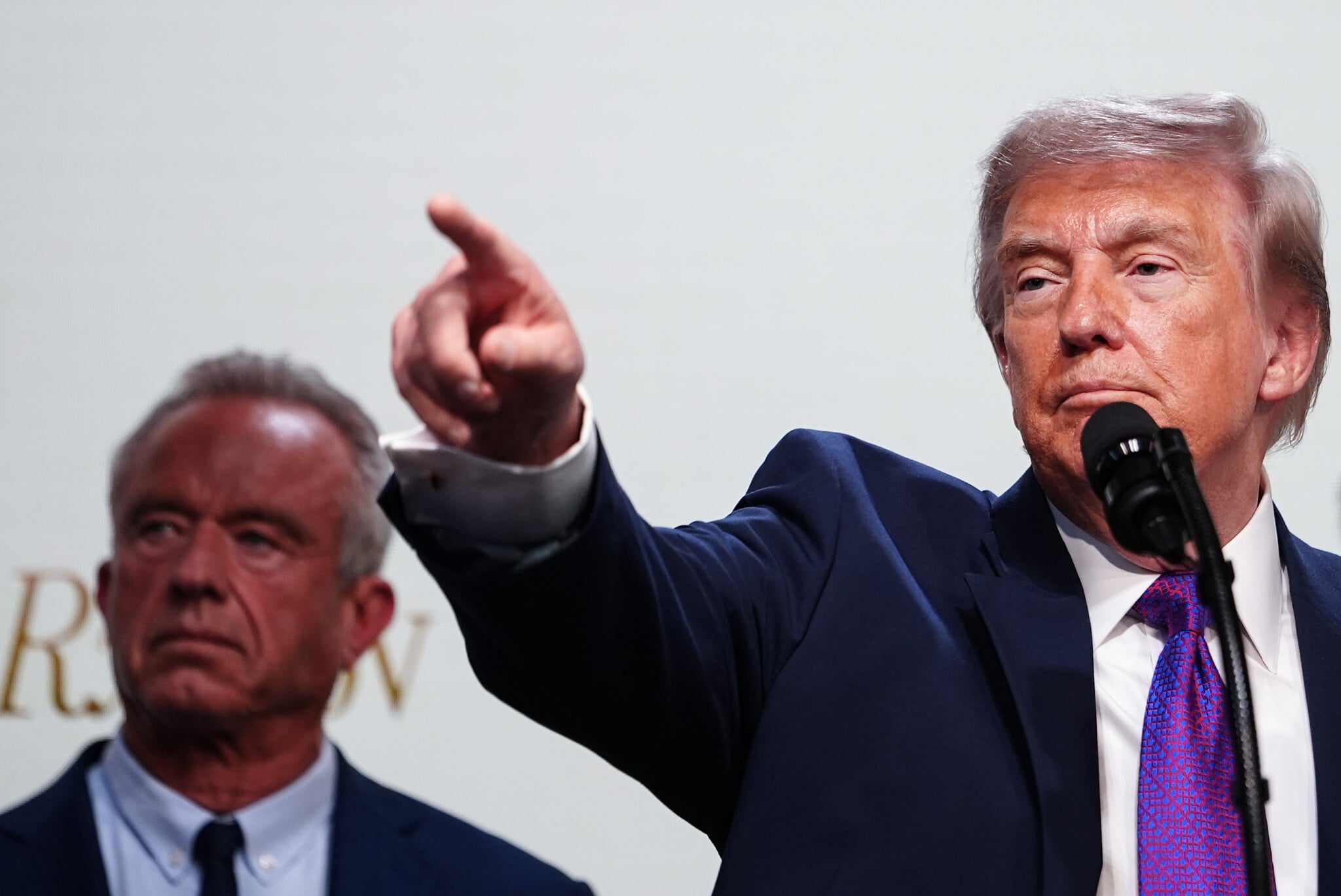
The X account belonging to the Senate Republicans shared Graham’s post, as did Republican Sen. Tom Cotton, who chairs the Senate Intelligence Committee.
Sen. Roger Wicker of Mississippi, who chairs the Senate Armed Services Committee, warned separately that “the rumored 60-day ceasefire — with the belief that Iran will ever engage in good faith — would be a disaster.”
“Everything accomplished by Operation Epic Fury would be for naught!,” he added, referring to the war with Iran by Washington’s name for it.
Neither Graham nor Wicker mentioned Trump by name in their posts.
Wicker, on Friday, blamed Trump’s advisers for pushing him to make a deal with Iran “that would not be worth the paper it is written on” rather than allowing the president to “finish the job he started.”
“Further pursuit of an agreement with Iran’s Islamist regime risks a perception of weakness,” he said.
Sen. Ted Cruz of Texas added his voice to the growing chorus of condemnation on Sunday morning, saying he was “deeply concerned” by reports detailing the emerging deal.
“President Trump’s decision to strike Iran was the most consequential decision of his second term. He was right to do so, and we achieved extraordinary military results,” Cruz wrote on X. “If the result of all that is to be an Iranian regime—still run by Islamists who chant ‘death to America’—now receiving billions of dollars, being able to enrich uranium & develop nuclear weapons, and having effective control over the Strait of Hormuz, then that outcome would be a disastrous mistake.”
Unlike Graham and Wicker, Cruz named Trump in his post, but still appeared to try to distance the president from the potential deal, saying instead that it was being “pushed by some voices in the administration.”
“President Trump believes in peace through strength, and his strong leadership has already made America much safer. He should continue to hold the line, defend America & enforce the red lines he has repeatedly drawn,” he concluded.
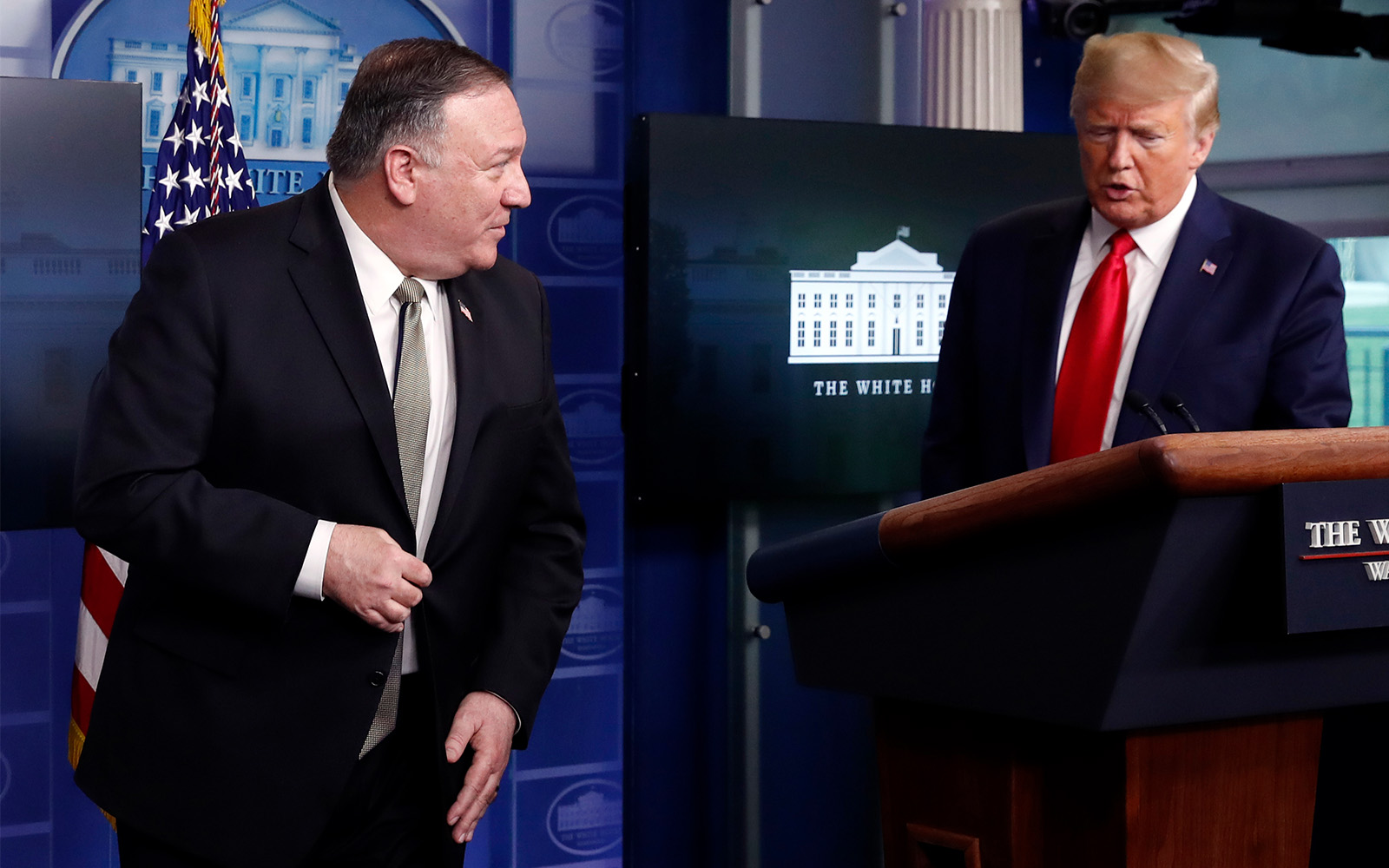
Similarly, former US secretary of state Mike Pompeo, who served under Trump during his first term, warned that the reported terms of the deal were “not remotely America First.”
Instead, Pompeo likened the emerging deal to the Obama administration’s 2015 Iran nuclear deal, saying it seemed “straight out of the Wendy Sherman-Robert Malley-Ben Rhodes playbook: Pay the IRGC to build a WMD program and terrorize the world.”
“Not remotely America First,” he said. “It’s straightforward: Open the damned strait. Deny Iran access to money. Take out enough Iranian capability so it cannot threaten our allies in the region.”
“Overdue,” he added. “Let’s go.”
Trump facing criticism from both sides
The criticism of Trump’s apparent move toward a deal was the latest show of opposition against the president’s Iran war policies from his largely loyal party.
The criticism has come from both sides, with some pushing for more military action and others actively seeking to avoid it.
On Tuesday, the US Senate advanced a war powers resolution that would end the war unless Trump obtained Congress’s authorization. The 50-47 vote tally showed that a small but growing number of Republicans were willing to challenge the president on the war.
A similar vote that was expected to take place in the House of Representatives on Thursday was cancelled at the last minute by the House’s Republican leaders.
The House had blocked three previous war powers resolutions in close votes earlier this year, with near-unanimous support from Republicans, underscoring the strong backing for the Iran war and the president within his party.
But the margins had become increasingly narrow – the last resolution failed on a tie vote – as weeks passed since February 28. Thursday’s measure had looked likely to pass, given expected defections by a handful of Republicans and the absences of others.
“We had the votes without question, and they knew it,” Representative Gregory Meeks, the top Democrat on the House Foreign Affairs Committee, told reporters after the vote was canceled.
He said the chamber’s Republican leaders had delayed the vote until early June, after the Memorial Day recess.