Nearly one-third of Tennesseans are considered “ALICE” households — earning above the poverty line but still unable to afford basic needs like mental health care.
KNOXVILLE, Tenn. — As the demand for mental health care continues to grow, many Tennesseans still face a major obstacle — affordability.
According to 2023 Census data, nearly 10% of Tennesseans do not have health insurance, while about 30% fall into the category known as “ALICE” — Asset Limited, Income Constrained, Employed.

The term refers to households that earn above the federal poverty line but still struggle to afford basic necessities. Many of those people may have insurance coverage, but high co-pays or limited benefits can make therapy financially out of reach.
In East Tennessee, organizations are stepping in to help bridge that gap.
The Mental Health Association of East Tennessee operates a Treatment Access Bank designed to help people facing financial barriers receive mental health care. The program covers most treatment costs, leaving patients responsible for paying between $5 and $10 per session.
"If you are someone who has determined they need mental health treatment, but you can't afford care, we don't want you sitting there getting worse, thinking, 'Oh, there's nothing there to support me. I can't afford it, so I can't get help.' Ben Harrington, the CEO of MHAET, said. "That's not true. That's why we created the Treatment Access Bank, so we can find you a place, and we can cost-share."
The Treatment Access Bank is available to clients with low household income, those who are uninsured or underinsured, and individuals who otherwise cannot afford therapy. To qualify, patients must be at least 16 years old, live within the organization’s service area and demonstrate one of the qualifying financial barriers. The program provides up to 15 therapy sessions per client.
Another effort helping expand access to care is the Behavioral Health Safety Net program through the Helen Ross McNabb Center. The state-funded initiative provides outpatient mental health services to uninsured residents.
Shannon Dow, a clinical social worker and senior director of the McNabb Center in Blount County, said the program is especially meaningful because it reaches people who may otherwise go without care.
“Behavioral Health Safety Net allows us to provide essential mental health services to children and adults who otherwise likely would not have access to mental health care because of a lack of insurance or insurance not being able to cover those services,” Dow said.
Mental health advocates say programs like these are critical as more families continue to navigate the rising costs of health care and everyday living expenses.
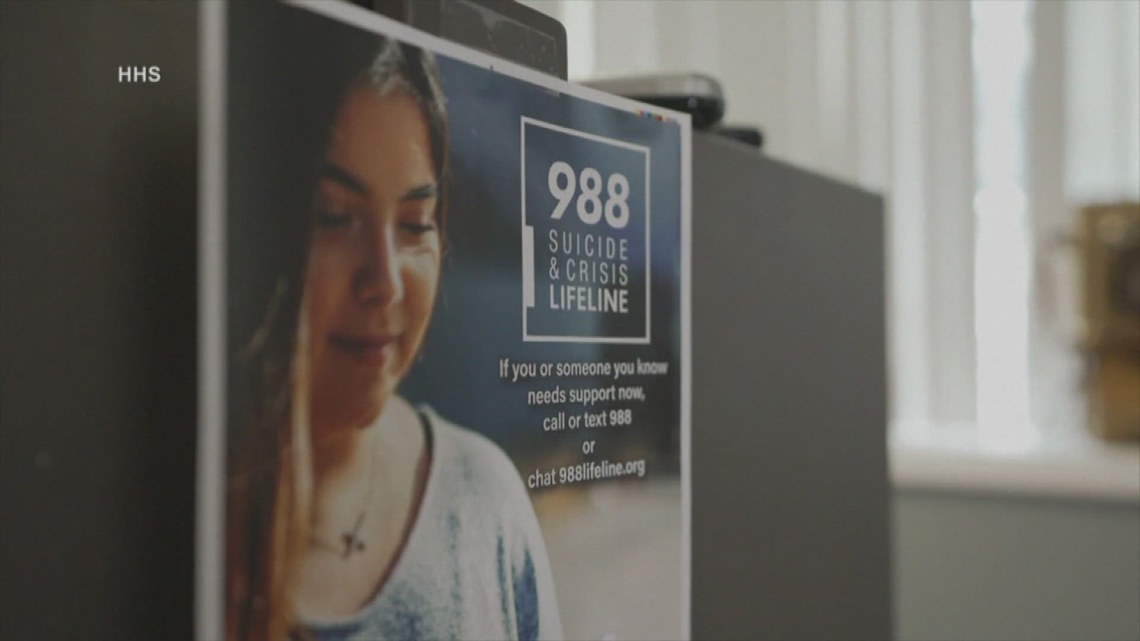
If you or a loved one is struggling with their mental health, please call or text 988 to reach the Suicide and Crisis Lifeline. You can also chat with a provider online at 988lifeline.org.
Source link ← Back to News