Physicians have said lifestyle medicine can help reverse or significantly improve many chronic health conditions, stressing that healthy behavioural changes remain critical to disease prevention and long-term wellness.
The experts explained that conditions such as hypertension, Type 2 diabetes, obesity, and some cardiovascular diseases are strongly linked to lifestyle factors, which could be reversed by adopting lifestyle medicines.
They noted that early adoption of evidence-based lifestyle interventions such as healthy eating, regular exercise, positive relationships, stress management, and adequate sleep can improve health outcomes and, in some cases, reduce dependence on medications.
The experts made the call at the 2026 Global Lifestyle Medicine Week, themed “Live The D.R.E.A.M.S: Simple Choices, Powerful Results”, organised by the Society of Lifestyle Medicine in Nigeria.
Global Lifestyle Medicine Week, commemorated annually from May 17–23, is championed by the Lifestyle Medicine Global Alliance to celebrate, advocate for, and raise awareness about evidence-based lifestyle medicine.
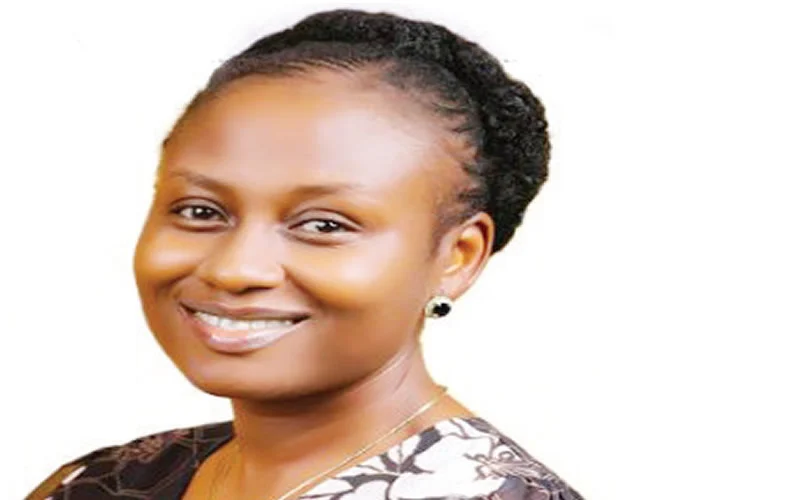
Speaking at the event, the President of the Society of Lifestyle Medicine of Nigeria, Dr. Moyosore Makinde, explained that lifestyle medicine is an evidence-based specialty that brings together different disciplines.
According to her, we teach people the science and practical ways to sustain healthy habits so that they can make a real difference in their health.
Makinde, who is a consultant family and board-certified lifestyle medicine physician, said when people adopt healthy habits, those habits help to prevent, treat, and in some cases reverse chronic medical conditions.
She listed Type 2 diabetes, obesity, and high cholesterol among other conditions that lifestyle medicine could help reverse.
“Lifestyle medicine can reverse Type 2 diabetes. Type 2 diabetes is a chronic condition that results from insulin resistance, usually in people who are overweight, obese, have unhealthy diets, or do not exercise regularly.
“When people begin to exercise, it improves insulin resistance. When they change their diet to whole-food, plant-based meals with fewer animal products and less ultra-processed food, the body begins to adjust. Insulin starts to work better by converting what is eaten into energy more effectively.
“Studies, including the Diabetes Prevention Programme, have shown how lifestyle changes can prevent people from progressing from pre-diabetes to diabetes, with results comparable to some medications,” Makinde said.
She added, “We also have patients who have been able to reverse pre-diabetes and even Type 2 diabetes when it is detected early enough before the insulin-producing cells are permanently damaged.
“High cholesterol is another condition that can be reversed. By changing diets and exercising regularly, we can reverse high cholesterol levels, fatty liver disease, and obesity, and also reduce high blood pressure. Those are some of the conditions lifestyle medicine can help to reverse or effectively manage.”
Breaking down living the DREAMS, a Consultant Family Physician, Dr. Odiana Ruth, said the acronym encompasses simple actions that can make big and meaningful impacts in the lives of individuals who adopt lifestyle medicines.
She explained that D stands for diet, which includes eating healthy, plant-based meals, reducing junk food, cooking your meals, eating in moderation, and practicing portion control.
Ruth said the R stands for relationships, adding that loving people more and building positive relationships helps in individuals’ overall health and wellness.
The board-certified lifestyle medicine physician explained that the E stands for exercise, stressing that Nigerians must stay physically active.
Ruth said A stands for avoiding harmful substances and toxic environments, M stands for mental wellness, which includes having healthy ways to de-stress yourself daily, and S stands for sleep, adding that sleeping well for seven to nine hours daily is important.
“In Nigeria right now, we are seeing increasing cases of premature death. We are seeing rising cases of cancer, diabetes, and obesity. In fact, diabetes used to be known as a disease of older people, but now we are beginning to see people in their 20s living with Type 2 diabetes.
“That is why we are encouraging people to live healthy lifestyles. That is why we have come up with the message: “Live the DREAMS: Simple Choices, Powerful Results.”.
“That is the message we are preaching. It will help people live longer, reverse some of these illnesses we are talking about, and even prevent them in the first place,” Ruth said.
Also speaking, a Consultant Family Physician, Dr Eniola Afolabi-Obe, urged Nigerians to embrace healthier daily habits and prioritise preventive healthcare rather than waiting until illnesses become severe.
She added that integrating lifestyle medicine into routine healthcare delivery could help reduce the growing burden of non-communicable diseases in the country.
“Most of these conditions we are talking about are chronic conditions. And when you look at what lifestyle medicine does, it addresses the root causes of these conditions. It focuses on the basic and simple things people can do, not just to treat these conditions, but to actually prevent them from occurring in the first place. That is the major goal.
“At a time when we are managing both communicable and non-communicable diseases simultaneously, we have to pay attention to the root causes of these conditions.
“The simple things we talk about include changing the way we eat, moving away from junk foods, and embracing healthy eating habits. It also means moving away from a sedentary lifestyle and embracing daily movement and physical activity as part of our everyday lives.
“We are also talking about sleep. A lot of people feel that sleeping is a waste of time, but that is not the case. Research has shown that when people sleep well, they are less likely to develop many chronic conditions that could eventually lead to death,” Afolabi-Obe, who is also a board-certified lifestyle medicine physician, said.
Source link ← Back to News