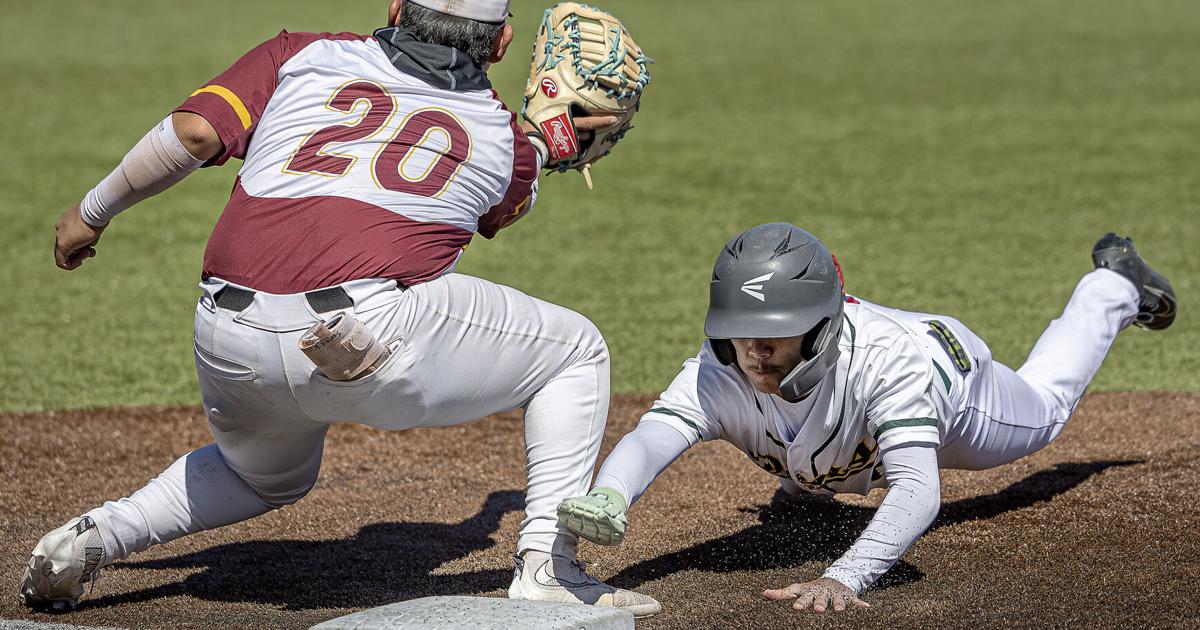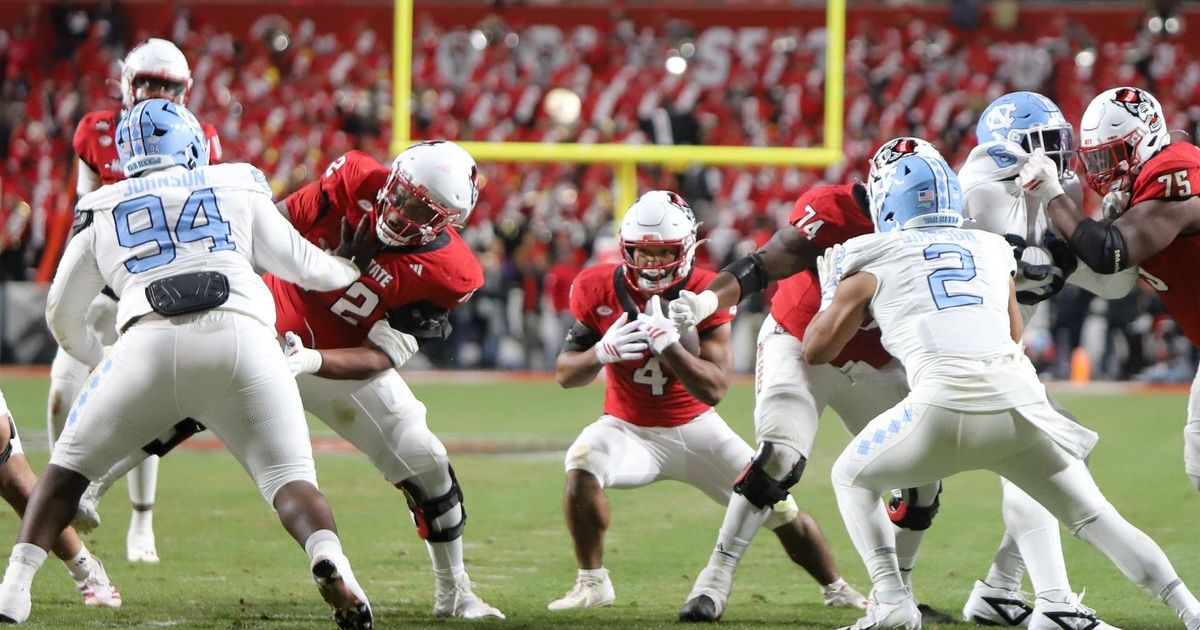
The Savannah Bananas brought their rollicking brand of baseball to the University of North Carolina’s Kenan Stadium for two sold-out games in April, attracting more than 100,000 Banana Ball fans to a venue that won’t be in-season until the fall and delivering the type of revenue boost that athletics departments across the country are seeking.
The games at the football stadium-turned-baseball field generated more than $17.1 million in direct economic impact for Chapel Hill and the surrounding region, according to the school. It also generated more than $1 million in profit for the athletics department, critical dollars at a time when the Tar Heels — and nearly everyone in college sports – are looking for additional revenue to help offset soaring costs, including tens of millions in direct revenue sharing payments to athletes.
Concerts and baseball or soccer exhibitions in football stadiums? Check. Corporate names and logos on stadiums, fields, courts, video boards and, coming soon, uniforms? Of course. Naming rights for department positions and trophy cases? Creative scheduling agreements? Overseas games? Yes, yes and yes.
“You’ve got to try to be creative in what you do,” said North Carolina State University athletics director Boo Corrigan, who is technically the McMurray Family Director of Athletics thanks to a $5-million endowment. “It’s not a single source. There’s no magic pill, those types of things that are going to fix all your problems, so you’d better be creative and, as we say, you’d better keep your knees bent because it’s going to come at you from all kinds of different angles.”
Athletics departments in major conferences, including the Charlotte-based Atlantic Coast Conference which is home to UNC, NC State and Duke, added a $20.5-million expense item for the 2025-26 academic year in the form of revenue-sharing payment with athletes, the result of a 2025 legal settlement. Roster building and retention costs are soaring through name, image and likeness deals, some of which is coming from partners payments to departments.
And so the search is on for more revenue.
NC State hosted signer Chris Brown at Carter-Finley Stadium last year, the school’s first major concert at its football venue in nearly a decade. The Wolfpack are hosting two more shows — legendary band Guns N’ Roses and signer-songwriter Noah Kahan — in late July. Revenue from the shows will go to the athletics department, which is projected to have a deficit this year.
Generating more revenue to support its basketball program and overall athletics department was the driving force behind North Carolina’s now-paused deliberations about building a new basketball arena off campus. A new basketball arena with an abundance of premium high-dollar seating options and development around the venue could generate more than $20 million in additional revenue annually over the current Dean E. Smith Center, according to the athletics department, which had a deficit last year.
UNC and NC State are selling naming rights to their football stadiums. The Wolfpack are seeking money to sponsor trophy cases at Reynolds Coliseum. Duke crafted a deal with Amazon to broadcast three of its marquee men’s basketball games this season, working with ESPN and the ACC. UNC and NC State will open their respective 2026 football seasons overseas, a unique experience for their players and also a help to the bottom line. The crunch has some departments across the nation cutting sports.
In that environment, bring on the pitchers on stilts and the flaming bats, staples of the Bananas.
“That’s very representative of the kind of new thinking that we want and the type of events we want to be bringing onto campus,” said Rick Barakat, the chief revenue officer for UNC’s athletics department.
“It’s a bit of a stake in the ground: ‘Hey, we’re back and we’re going to be doing more than football games at Kenan Stadium,’” Barakat said. “We think there’s an opportunity there, a bit of an obligation to the local community to provide some additional forms of entertainment and at the same time be bringing new [revenue] streams into the athletic department.”
Rising costs and big deficits
Barakat was hired in March 2025, just months before the House legal settlement was finalized and months after the Tar Heels’ committed millions in additional spending on football with the hire of coach Bill Belichick.
UNC spent about $188 million on athletics during the 2024-25 academic year, up more than $30 million from the previous year and more than $57 million from 2021-22. The Tar Heels had revenues of nearly $173 million. That was before revenue sharing and before UNC fired men’s basketball coach Hubert Davis, triggering a buyout, and hired Michael Malone at more than double Davis’ average salary.
North Carolina is currently negotiating a contract extension with Learfield, its multimedia rights holder, Barakat said. Learfield’s deal with UNC, worth more than $13 million annually and set to expire in 2029, included a “competitive review” window after July 2025. “We’re very optimistic about a positive longer-term outcome,” Barakat said.
UNC’s agreement with apparel giant Nike and Jordan Brand pays the school more than $5 million per year, in addition to equipment guarantees, and runs through the 2027-28 academic year. Renewal talks are set to begin this fall, Barakat said.
NCAA rules now allow programs to sell two corporate patches on their uniforms. Arkansas sold jersey patches across all of its 19 sports to Tyson Foods. LSU made a department-wide deal with Woodside Energy. Barakat said the Tar Heels are still exploring how to sell that inventory, including considering one sponsor for the school’s successful women’s sports programs.
“There’s no doubt that college sports are having to adopt some of the practices that professional sports have already polished and matured over time,” said incoming UNC athletics director Steve Newmark, a former NASCAR executive. “And we’re going to need to do that because there’s no doubt that the cost of supporting collegiate athletics is continuing to rise.”
College sports are borrowing another aspect from pro sports in their quest for more money: expanded postseasons. The men’s and women’s basketball tournaments are expanding to 76 teams. The College Football Playoff, which was at four teams in 2023, could expand from its current 12 teams to 24 in the future — if the financial equation works.
And the finances have to work, given how large business has become. The ACC generated a record $826 million in 2024-25, according to tax documents released Friday, and distributed an average of $47.1 million to its long-term football-playing members. The Big Ten generated $1.47 billion and the SEC $1.1 billion for the same period.
Even with conferences making more than ever, largely on the back of growing television rights contracts, school athletics departments are finding themselves in the red, dependent on the university to help them out. In recent weeks, officials at Virginia Tech, Kansas, Louisville, Florida State and elsewhere have outlined their financial issues.
It has left some wondering how sustainable the current college sports model is. President Donald Trump warned that rising costs for football and basketball could push departments and entire colleges to insolvency.
“I hope that answer isn’t that it all crashes, which is a solution, right?” Corrigan said. “I don’t think it’s a solution anyone wants.”
NC State carried a projected deficit of more than $18 million in 2025-26, the first year of revenue sharing and unequal ACC distribution, according to a presentation to the school’s trustees earlier this year. Corrigan told the board that the department will find a way to balance its budget, but he said the program won’t put all the burden on fans through ever-increasing ticket prices.
“We’re not going to go out to every season-ticket holder and charge $500 more dollars for everything that we’re doing,” he said. “That’s not fair either. You can still get into Cater-Finley for a family. Now the seats are in the end zone or in the upper deck and those types of things, but you can still get in for a reasonable price and that’s important to us.”
Interest, as measured through television ratings and ticket sales, is higher than ever in college sports. But some fear that in an era of professionalization the connection that has bonded schools and fans for generations could be in danger of fraying.
“At the end of the day, it’s still going to say NC State or Wolfpack across the front,” Corrigan said. “People want to be a part of that and they love the experience that they have supporting our students, supporting the competition, getting together, tailgating, being a part of all that. We just need to make sure that we protect that on some level.”