I saw my first Bruce Springsteen concert on Thanksgiving night in 1980.
My mother was not thrilled that I was leaving Thanksgiving dinner early to go to a concert in New York. I remember answering with the certainty available only to teenagers: “Do you know how hard these tickets were to get?” And, truth be told, they were. I had scored the tickets through a lottery.
Weeks earlier, my contribution as part of the homecoming decorating committee was a sign made from chicken wire and blue and white tissue paper that we strung across the cafeteria wall with the Springsteen lyrics “Show a little faith, there’s magic in the night.”
His songs were woven into the experience of growing up in New Jersey — the shore, the parkway, football games, diners, humid summer nights, and the feeling that somewhere just beyond the edge of your little town, life was waiting.
Like so many teenagers, I gravitated toward the songs full of desperate hope: “Thunder Road,” “Badlands,” “Jungleland,” and “Born to Run.” Songs where people tried to outrun disappointment before it could catch them. I heard freedom in those songs.
I hear something different now. But to some extent what I hear was always there, lying underneath the gauzy sheen of escape: longing, loneliness, people trapped by class or circumstance or bad luck, people trying to preserve some essential part of themselves. As a teenager, I just didn’t yet have enough life experience to fully recognize it.
One of the strange gifts of getting older is becoming more conscious of suffering, more attuned to the invisible burdens other people carry. The world grows more complicated. So does art.
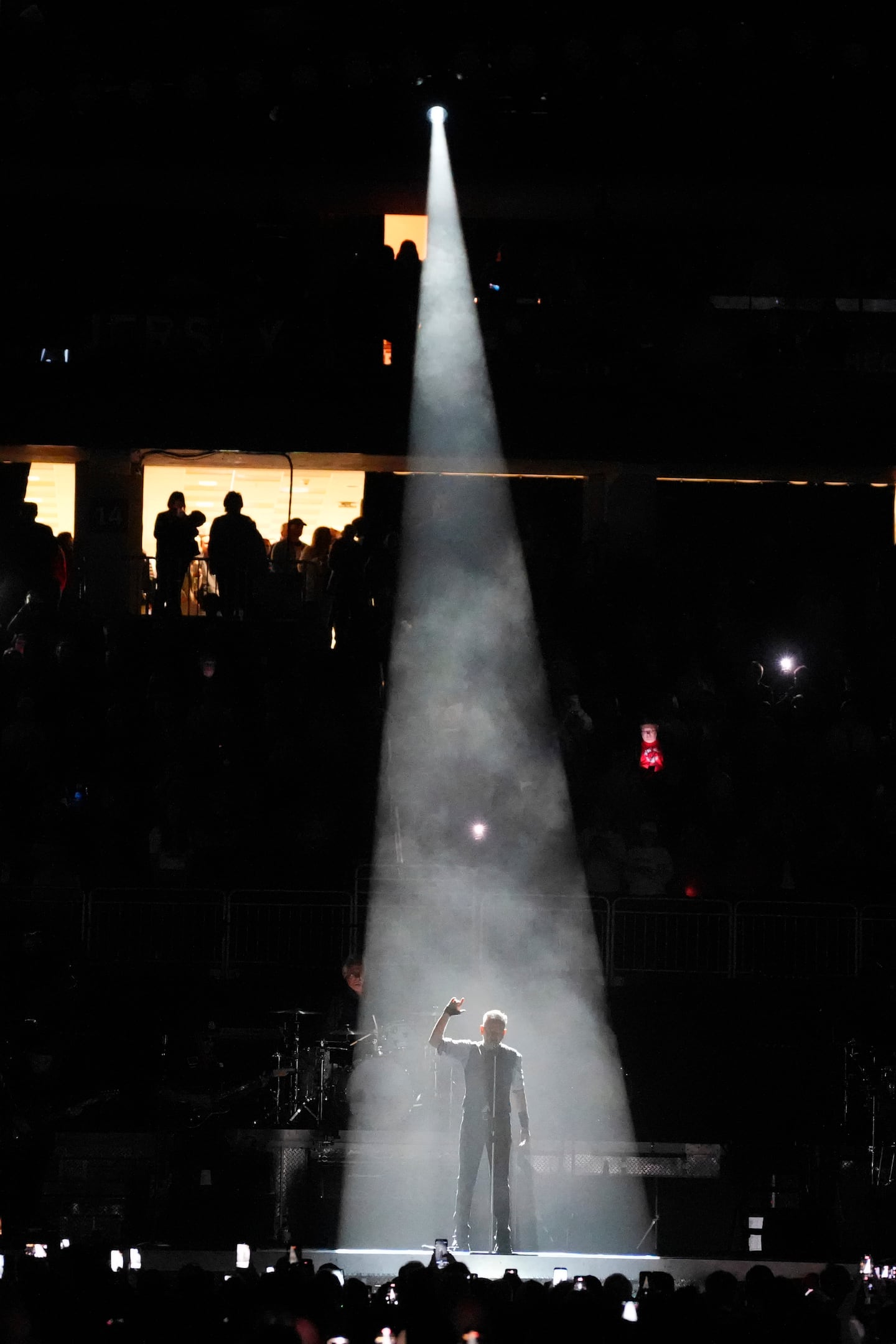
I was thinking about that recently while sitting in an arena during Springsteen’s “Land of Hope and Dreams” tour (which is in Boston this weekend), surrounded by thousands of people singing every word to songs that have followed many of us across decades of our lives. The crowd spanned generations, many likely remembering who they were when they first heard these songs.
The tour has drawn attention for its political overtones and for Springsteen’s direct comments about the state of the country. Night after night, he speaks openly about division, protecting democracy, and America’s political climate, alienating some longtime fans. Some people seem surprised by this version of him. I’m not.
A few opening notes from “Jungleland” or “Badlands” elicit melancholy and nostalgia in me: for my younger self, and maybe a younger America too. But I’ve come to realize the nostalgia I feel is more complicated than simply longing for an easier time.
The factories Springsteen sang about were already struggling. Economic anxiety already existed. Veterans already carried invisible wounds. Families already felt trapped by money, responsibility, addiction, disappointment, silence. The America of my childhood was not some uncomplicated golden age, no matter how tempting it can feel to remember it that way now.
But youth makes time feel limitless and disappointment far away. I think that may be part of why Springsteen’s current tour and commentary have provoked such strong reactions. Some fans seem to want Springsteen frozen inside “Born to Run” while they stay permanently attached to the feelings that song once gave them. But no one stays 25 forever. It seems unfair to deny artists the same human evolution. Why wouldn’t his work grow more complicated as life did?
The older Bruce speaks more openly about responsibility — to one another, to democracy, to compassion.
But Springsteen has always written about the gap between the promise of America and the lived reality of many Americans. He just expressed it more through character and narrative than direct public commentary.
His subject has always been people: flawed, striving, hopeful people trying to hold onto dignity. That may be why the songs endure and reveal new layers as listeners age alongside them. Now I hear empathy, longing, and tenderness where I once heard only rebellion.
And still, despite everything, I hear faith.
Not naive optimism. Not certainty. Something quieter and steadier than that. The kind of faith we thought sounded romantic when we hung it on a cafeteria wall all those years ago: Show a little faith, there’s magic in the night.