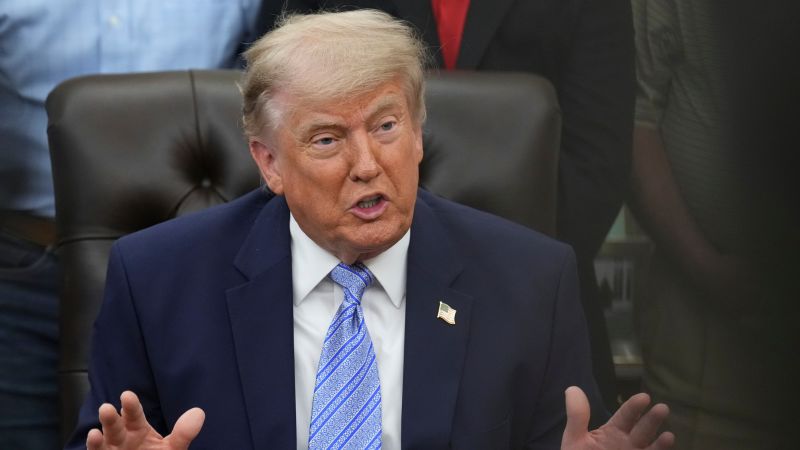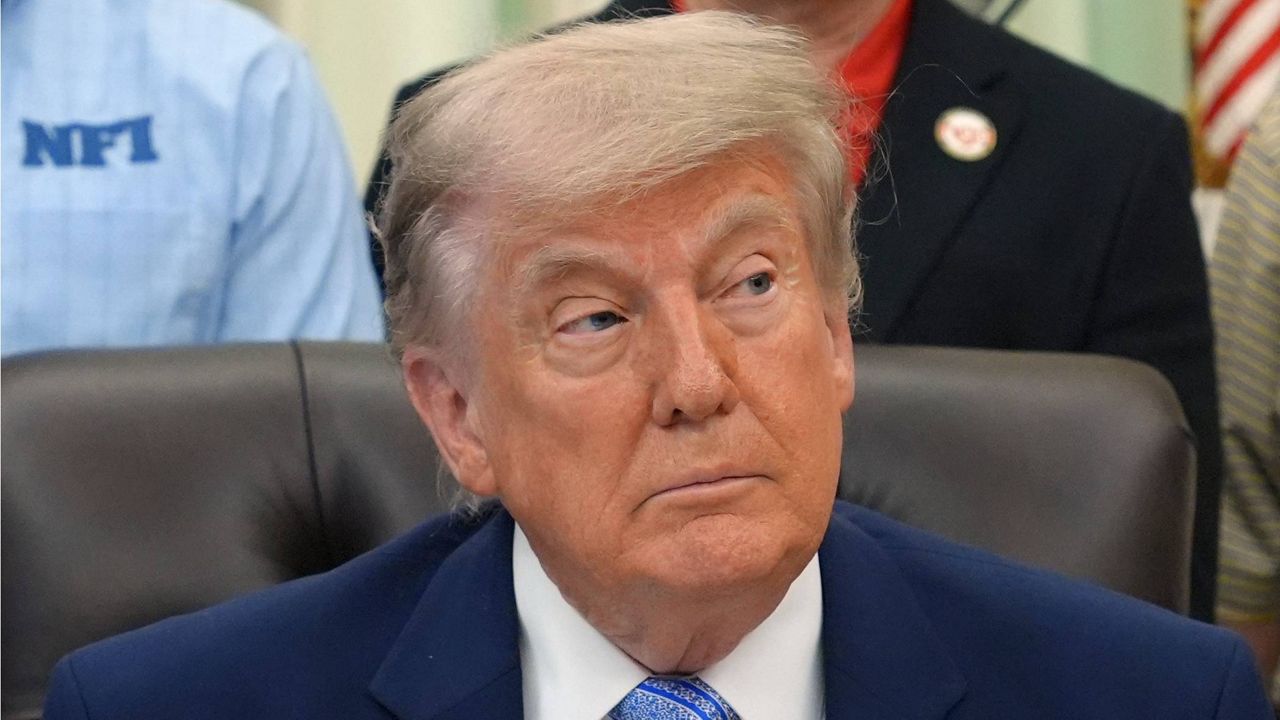
Senate Republicans abruptly left Washington on Thursday without voting on a roughly $70 billion bill to fund immigration enforcement agencies, frustrated with the White House and at an impasse over whether to try to block a new $1.776 billion settlement fund to compensate Trump allies who believe they have been politically prosecuted.
Republicans had already abandoned part of the bill that provided $1 billion in security money for the White House complex and President Donald Trump’s ballroom amid backlash from members of their own party. But the settlement announced by the Justice Department this week prompted even more questions, spurring a push to limit the taxpayer dollars that some feared could go to Trump supporters who harmed law enforcement officers in the Jan. 6, 2021, attack on the Capitol.
A tense meeting with acting Attorney General Todd Blanche on Thursday morning only heightened the frustration among senators. Soon after it ended, Republican leaders announced that they would not vote on the immigration enforcement measure until they returned from a Memorial Day recess the week of June 1, which was Trump’s self-imposed deadline for them to pass it.
—The Associated Press
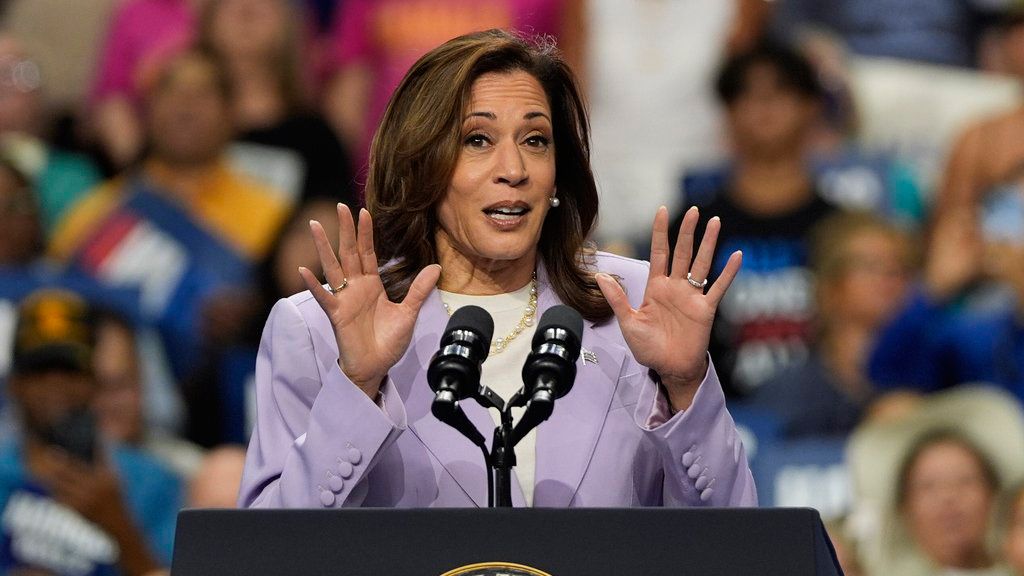
Democratic presidential nominee Vice President Kamala Harris speaks at a campaign rally, Saturday, Aug. 10, 2024, in Las Vegas. (AP Photo/Julia Nikhinson)
Facing intense internal pressure, DNC releases 2024 post-election autopsy
Democratic National Committee Chair Ken Martin released a critical study of the party’s performance in the 2024 campaign on Thursday, bowing to intense internal pressure from frustrated Democratic operatives who had publicly demanded the release of the postelection autopsy.
The 192-page report, which was concluded last December and authored by Democratic consultant Paul Rivera, calls for “a renewed focus on the voters of Middle America and the South, who have come to believe they are not included in the Democratic vision of a stronger and more dynamic America for everyone.”
“Millions of Americans are suffering from poor access to healthcare, manufacturing and job losses, and a failing infrastructure, yet continue to be persuaded to vote against their best interests because they do not see themselves reflected in the America of the Democratic Party,” the report says.
—The Associated Press
Rubio doubtful of diplomacy with Cuba as Trump raises new threat of military action
President Donald Trump and America’s top diplomat on Thursday again raised the specter of U.S. military intervention in Cuba, a renewed threat that takes on greater weight a day after the administration announced criminal charges against the island’s former leader, Raúl Castro.
Trump said previous U.S. presidents have considered intervening in Cuba for decades but that “it looks like I’ll be the one that does it.”
Secretary of State Marco Rubio told reporters separately that Cuba has been a national security threat for years because of its ties to U.S. adversaries and that Trump is intent on addressing it.
—The Associated Press
Trump postpones signing artificial intelligence order out of concern it would hurt industry
President Donald Trump called off a signing ceremony Thursday for a new order on artificial intelligence because he worried it could dull America’s edge on AI technology.
Trump said he was postponing the signing because he did not like what he saw in the order’s text. He announced the change hours before the event was scheduled to take place in the Oval Office.
The push for some kind of government action to vet the most powerful AI systems follows growing concern within the banking industry and other institutions about the leaps in AI’s abilities to find cybersecurity vulnerabilities in the world’s software.
—The Associated Press
More Thursday reads
• Trump eases refrigerant rule to help reduce grocery costs
• Design plan for Trump’s proposed Washington arch is approved by key federal agency
• Supreme Court sides with U.S. company in claims over property seized in Cuban revolution
• Supreme Court dismisses Alabama’s bid to execute inmate with borderline intellectual disability