Neither living nor completely lifeless, viruses are bits of genetic material wrapped in a protein sheath. They can’t even reproduce on their own; they must sidle into an organism and commandeer its cellular machinery to replicate.
But some are deadly. Two recent, overseas outbreaks of viral diseases have been dominating headlines — and showing that the United States is no longer the global health leader it once was.
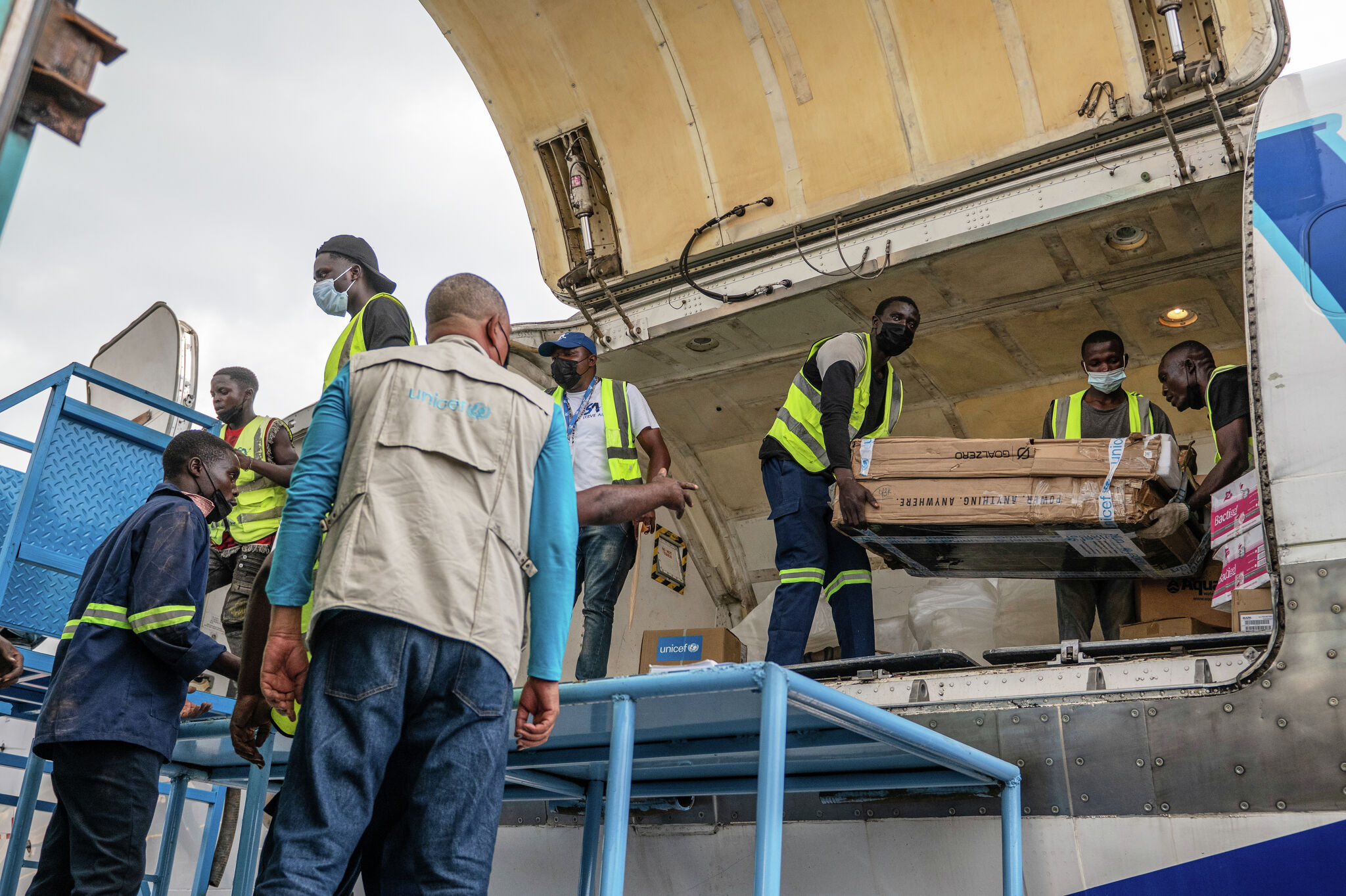
In the first incident, a strain of hantavirus sickened about a dozen passengers and crew members on a cruise ship. Three died. The second event, an ongoing outbreak of an uncommon Ebola virus, has killed about 140 people, mostly in a remote region of the Democratic Republic of Congo.
In both outbreaks, appropriate public health measures were delayed because medical personnel weren’t familiar with the particular strains of virus involved. These outbreaks pose little risk to Americans, but we heard that message first from international health agencies, not from our own government.
Under the second Trump administration, the United States is less able to spot and respond to serious disease outbreaks than in the past. The Centers for Disease Control and Prevention has lost funding, scientific expertise and disease surveillance capabilities. It’s had a series of acting directors since January 2025; the only permanent one lasted about a month before being fired.
The Trump administration withdrew from the World Health Organization, which diminishes our access to disease surveillance data from around the globe. It also dismantled USAID, which had previously allowed us to participate in and help guide response and recovery during international health emergencies.
The Center for Strategic and International Studies’ working group on biodefense also noted in a report that the federal government covers most of the cost of state and local public health response capabilities, and that the funding has been halved.
“The United States’ biopreparedness is regressing,” the Washington-based think tank wrote in its February report. “This places Americans in danger, poses national security risks, and compromises U.S. global competitiveness in biotechnology innovation.”
Americans are not at high risk of catching the hantavirus strain found on the cruise ship, nor of encountering someone infected with an Ebola virus.
But modern global trade and travel mean that viruses don’t necessarily stay where they start. The United States has temporarily barred entry to noncitizens who have recently visited countries affected by the Ebola outbreak — a reasonable measure. As of Thursday, Congo’s national soccer team was still scheduled to play a FIFA World Cup match in Houston on June 17. (All of Congo’s players, as well as their coach, are based outside of that country.)
Pandemics are rare, but worrisome viruses are not. The administration has decided to overlook the threat of infectious diseases and instead focus on chronic health conditions. We are a wealthy nation. We can and should address both.
Have thoughts about this? Send a letter to the editor using our letters form or email letters@dallasnews.com. Letters should be no more than 200 words and include the first and last name of the writer and city of residence.