Labor leaders, HIV advocates and health care workers are sounding the alarm over more than $1 trillion in health funding cuts that they say will devastate local communities and economies across the country.
The broad coalition is mobilizing through Seven Days in June: HEALTH IS PRIMARY, a decentralized national week of action from June 1–7 that will include town halls, demonstrations, candlelight vigils and other events warning about the consequences of cuts to programs like Medicaid, the Centers for Disease Control and Prevention (CDC) and the National Institutes of Health (NIH).
“Health cuts kill, and I don’t know anyone who this won’t impact in some way, somehow,” said Mary Morten, president of Morten Group, which is convening groups for the Chicago area’s participation in this movement.

Organizers say the urgency stems largely from the so-called “One Big Beautiful Bill Act,” passed by Congressional Republicans in July 2025, which is expected to leave more than 15 million Americans without health insurance. Additionally, nearly 450 hospitals in 44 states will be at high risk of closing or cutting their services.
The budget law marks the largest cut in federal health spending in the history of the United States—while at the same time offering tax cuts for billionaires and allocating more than $170 billion to expand immigration enforcement.
“It is critical that we bring national attention to this now because many of the pieces of the bill will not take place until after elections—and that’s intentional,” Morten said.
Candlelight vigil anchors Seven Days events in Chicago
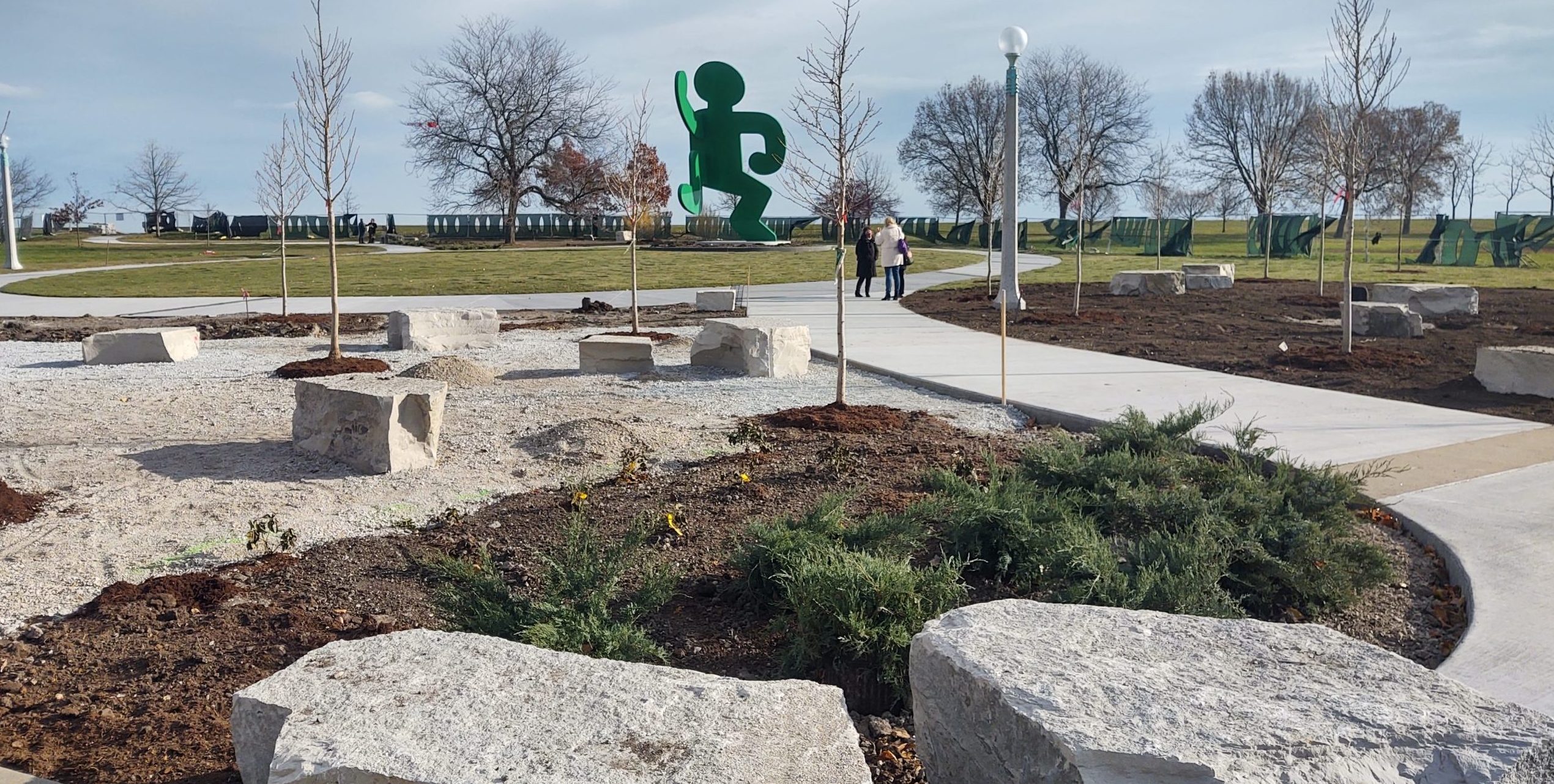
More than a dozen events are planned across the Chicago area as part of the Seven Days effort, but central to them will be a candlelight vigil at the AIDS Garden Chicago to honor people lost because of health care inequities.
The gathering, happens on Friday, June 5, at 7:30 p.m. in front of the giant Keith Haring sculpture at 3003 Lakefront Trail. It will be one of dozens of vigils happening across the country to create a moment of national unity.

The vigils coincide with the 45th anniversary of the CDC’s first report publicly acknowledging what would later become known as the AIDS epidemic. The timing serves as a reminder of what happens when governments fail to respond adequately to public health crises, said Jeff Berry, cofounder and executive director of the Reunion Project, who will co-emcee the Chicago ceremony.
“I remember the early days,” Berry said. “And now it feels like that energy and momentum is there again, and there’s an opportunity to really raise awareness.”

Other Chicago-area gatherings planned as part of Seven Days in June include a June 2 storytelling event about Black women’s health, a June 4 town hall hosted by Vivent Health + TPAN, and a June 10 panel discussion about LGBTQ+ health after a performance of the Brokeback Mountain stage play.
More events will be added to the national campaign’s website as details are finalized.
“If you care about your own health and you care about the health of those you love and those around you, then join us,” Berry said.
Building a broader health care coalition
While the June 5 vigil is rooted in the history of HIV/AIDS activism, organizers say the larger goal of Seven Days in June is building solidarity across movements.
The coalition behind the effort includes labor unions, HIV advocates, disability activists, reproductive justice groups, public health organizations and health care workers.
This broad coalition reflects how health care cuts will ripple across various communities, said Laura Garza, executive director of Arise Chicago, an advocacy group for working-class immigrants.
“We cannot do anything alone,” Garza said. “And this kind of coalition-building allows us to recognize that our struggles are really connected and tied together.”
Kiera Arbour, a nurse and nurse representative-in-training with National Nurses United, said health care workers have an important role to play in broader organizing efforts around the cuts.
“The only way that communities defeat these kinds of attacks is by coming together in solidarity and recognizing our shared interests and mutual care for one another,” Arbour said.
Berry said organizers hope the relationships built through Seven Days in June continue beyond the week of action itself.
“If the coalition stays together and works together, we can do so much more together than individually,” Berry said.