HONOLULU (Island News) -- Governor Josh Green signed four bills into law on Thursday, aimed at supporting public services, working families and government operations in the state.
These bills reflect the state’s commitment to responsive governance and prioritizing the well-being of our local communities, according to Green's office.
“These key pieces of legislation uplift the people who keep Hawaii strong and will help to ensure our communities have access to essential services and opportunities,” Green said. “From protecting food assistance and healthcare access to ensuring hard-working middle-class residents keep more of their income in their pockets, these new laws will stabilize quality of life across the state. I appreciate the collaboration of lawmakers, advocates and community partners who helped advance these important initiatives.”
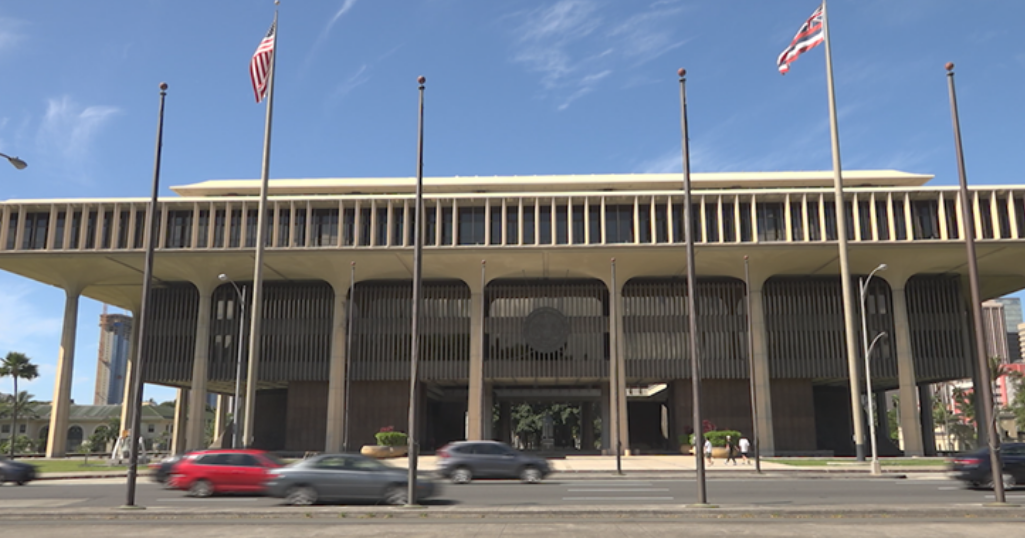
Ever since state lawmakers wrapped the 2026 legislative session at the State Capitol, several bills have made their way to Green’s desk. The governor will decide whether to sign, veto or allow bills to become law without his signature in the coming weeks.
The following bills were signed and will become law:
SB 3125 Relating to Income Tax
Senate Bill 3125 (Act 24) strengthens Hawaii’s long-term fiscal outlook by making targeted changes to the state’s tax structure in response to a projected revenue shortfall, driven in part by recent federal actions that are expected to reduce state revenues by nearly $3 billion. The law preserves a vast majority of income tax relief from Act 46, Session Laws of Hawaii 2024, for low and middle-income households, while revising certain future tax bracket and rate adjustments and repealing or sunsetting selected tax credits. By taking a measured approach, the law protects essential public services such as SNAP and healthcare, while continuing to support working families facing rising costs for housing, food, utilities and other necessities.
“This law reflects a balanced and responsible approach to safeguarding Hawaii’s financial future,” Green said. “It preserves meaningful tax relief for working families while ensuring we have the resources to protect essential services that our residents depend on every day. I’m grateful to the Legislature for taking this measured approach to strengthen our fiscal foundation, while continuing to support local families during a time of economic uncertainty.”
Green’s office said he is is working with the private sector to bring additional investments in the very near future to support the renewable energy industry. He is also actively working with the legislature to sustain larger-scale renewable energy tax credits for 2026, which may require expedited legislation in 2027.
HB 2310 Making an Emergency Appropriation to the Department of Human Services
House Bill 2310 (Act 21) maintains emergency food assistance and healthcare services for Hawaii residents by providing an emergency appropriation to the Department of Human Services. It allows the department to restore general funds that were redirected for emergency SNAP assistance during the 2025 federal government shutdown and supports continued health insurance coverage for individuals affected by changes to federal coverage. This measure ensures continuity of essential public assistance programs and fulfillment of existing program obligations.
SB 3102 Relating to Port Pilotage
Senate Bill 3102 (Act 23) improves oversight and facilitation of Hawaii’s port pilotage system, by including the Department of Transportation in advising the Department of Commerce and Consumer Affairs on port pilot licensure standards, requirements and qualifications. This law helps streamline regulatory responsibilities and modernize port pilotage administration in Hawaii.
HB 1696 Relating to Commercial Driver’s Licenses
House Bill 1696 (Act 22) expands workforce opportunities and addresses commercial driver shortages in Hawaii by amending qualifications for intrastate commercial driving. It lowers the minimum age from 19 to 18 and establishes safeguards for commercial motor vehicle drivers by requiring drivers under 21 to participate in a registered apprenticeship or structured employer training program that meets specified requirements.
Source link ← Back to News