IA’s Faith in Health Professions project has engaged more than 60 campuses and dozens of health organizations working to address this gap through academic and professional learning. These trainings and curricular interventions will reach more than 1,000 current and future professionals across the health ecosystem.
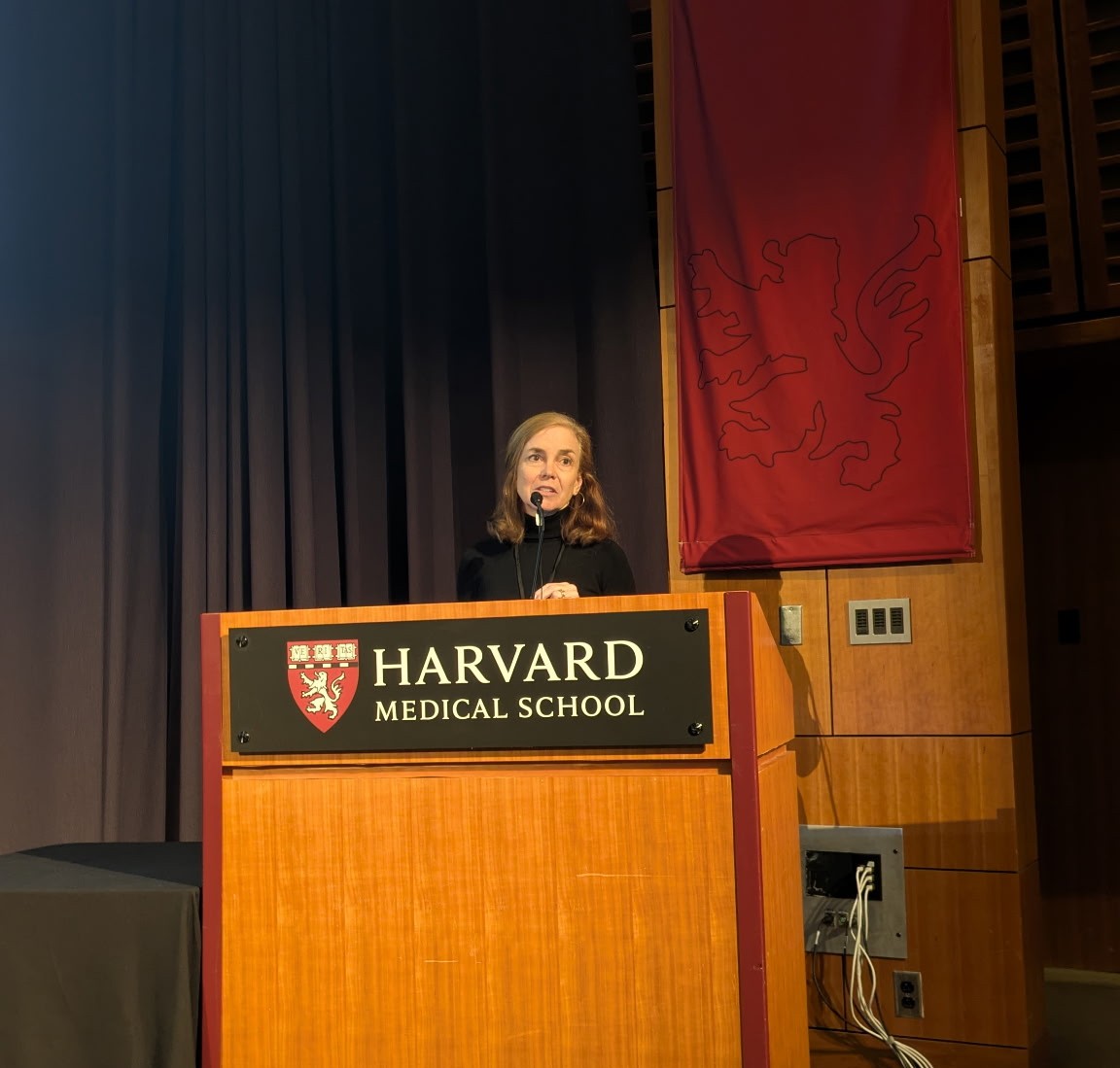
“The topics explored at this conference have been addressed for millennia by our faith traditions, which the mental health field has ignored for the last 100 years,” said psychologist David Rosmarin, PhD, who gave the conference’s closing remarks.
Religion and spirituality matter for health — they always have — and we’re working to promote pluralism as a way to tap their positive potential for healing.
At IA, we believe our nation’s religious diversity is a treasure — sometimes one that’s neglected or shunted aside. Religion and spirituality matter for health — they always have — and we’re working to promote pluralism as a way to tap their positive potential for healing.
But not all of the healthcare programs are training students on religious literacy in their practice. When asked how much of her training equipped her to engage people’s religious or spiritual identities, Ananya, a clinical psychology doctoral student entering her internship, said, “Not at all.”
Ananya is the kind of future health provider we’re honored to equip. She’s smart, thoughtful, and on a spiritual journey of her own — raised in a Hindu family and still finding spiritual grounding for her life on her annual trips back to visit grandparents in India.
IA’s friend and Fellow Ben O’Dell offered keynote reflections from the Department of Health and Human Services (HHS), where the Faith Center, where he’s served for decades, is eager to uplift faith communities as sources of healing and to connect them more deliberately to care providers. He said, “We’re not just in a health crisis; we’re in a spiritual crisis …. We’re at a point of existential buffering failure: we’re connected to everything but attached to nothing.”
The work continues, and one psychiatrist, Ali Syed, MD, envisions just the kind of pluralistic approach IA’s Faith & Health network is advancing through the LAMP Lens Field Guide. This concept is a way of engaging complex health issues by expanding our view of “health expertise” to include those who bring not just moral and religious wisdom but also those with lived experience.
Syed, who also is the founder of the Khair Collective, said that “As we address the crisis of addiction and overdose, we need to pay more attention to those who have lived experience. We hear from health and religious leaders all the time; the voices of those on the journey is the missing piece.”
The Faith & Health movement is growing, and IA is playing our part not just through our Faith in Health Professions project but through trainings, consultancies, and convenings that seek to equip leaders with the knowledge and skills to live into a vision of pluralism. Gatherings like this one connect us to the vision of expanding and strengthening the connection of faith in all aspects of health.
Suzanne Watts Henderson is the senior director of faith and health at Interfaith America.
Source link ← Back to News