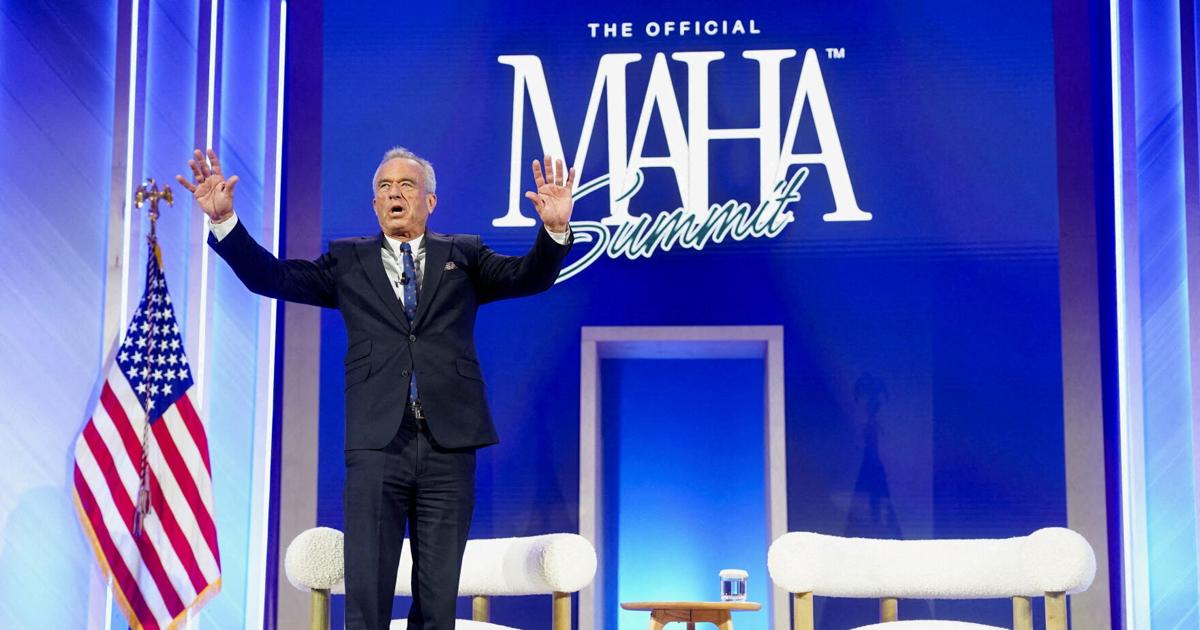
The White House has directed Kennedy not to take further steps against vaccines ahead of the November midterm elections, when Republicans will defend a slim majority in Congress.
A Department of Health and Human Services official said the agency does not comment on legislation.
ANTI-VACCINE BILLS ON THE RISE
While anti-vaccine bills have been proposed before, more emerged this year due to the coordinated efforts of MAHA groups, the groups told Reuters.
“In the past where you might have seen a couple of bills, now there’s hundreds of anti-vaccine bills in the state legislatures,” said Lecia Imbery, government affairs director of Vaccinate Your Family. VYF names some vaccine makers as donors in its annual report, including Pfizer and Moderna.
Those states include Idaho, which saw six bills introduced; West Virginia, which saw nine; Tennessee, which saw eight; and South Dakota, which saw five – none of which passed, said Abramsohn.
Idaho last year passed a first-in-the-nation ban on vaccine mandates, but failed to advance further anti-vaccine legislation this session. Florida, too, discussed doing away with vaccine mandates but did not pass bills to do so during its legislative session.
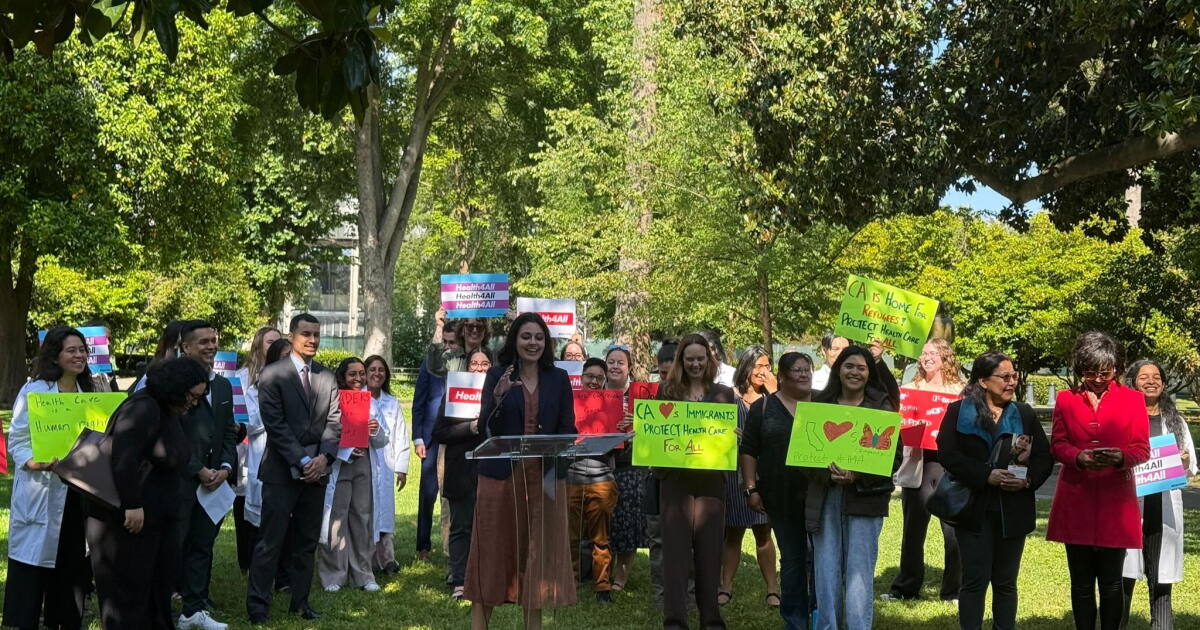
To convince Republican lawmakers to oppose the bills, the pro-vaccine groups pointed to polling that showed constituents value vaccine mandates as a public health tool and said the elected officials could face political consequences if they supported anti-vaccine legislation.
“There’s a lot of people running for office, so this could potentially hurt them… in future elections if they were to vote against public health,” said Elizabeth Faber, director of programs at the Iowa Public Health Association.
Iowa public lobbying records give a snapshot of the advocacy push. Faber said advocates there were monitoring 18 anti-vaccine bills, one of which would have removed vaccine requirements for primary and secondary school students.