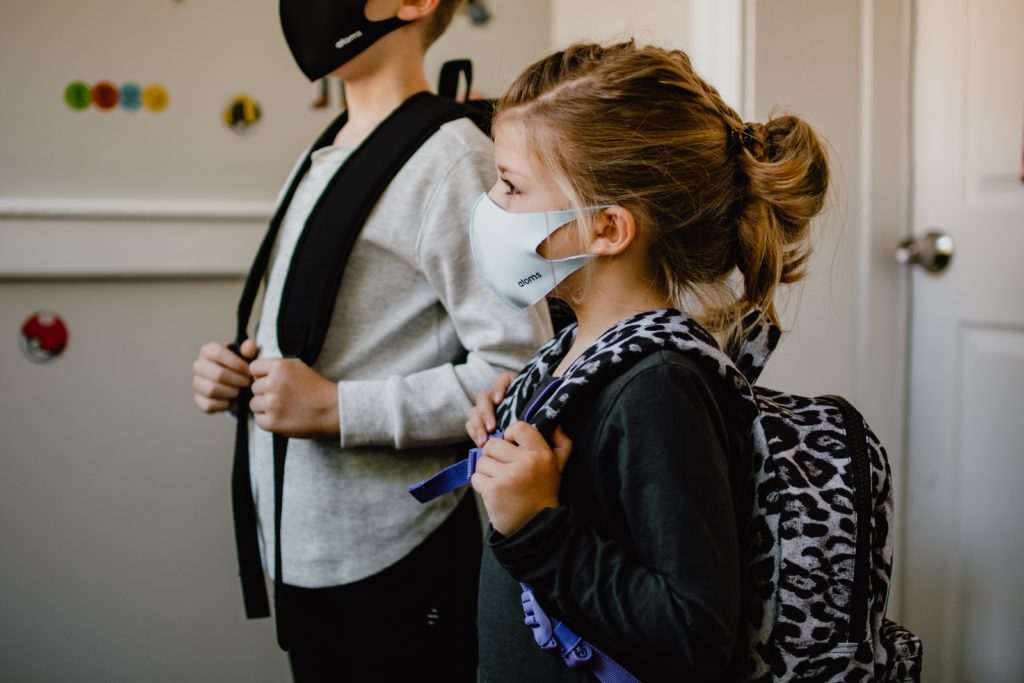
The impact of climate on respiratory health was the subject of a meeting alomngside the World Health Assembly (WHA) in Geneva. This comes as the UN General Assembly endorsed a landmark International Court of Justice ruling that holds countries accountable to curb greenhouse gas emissions.
“Imagine you are running. You are tired and want to stop. But I keep telling you to run. You can’t breathe,” said Dr Helena Pité, describing what it means to have a ‘lung attack,’ which can be caused by asthma, chronic obstructive pulmonary disease (COPD), or an allergic reaction.
The Lisbon allergist and respiratory expert from Hospital CUF Tejo outlined how climate change is linked to lung inflammation through longer pollen seasons, severe wildfires, air pollution, and extreme heat.
Respiratory health was central to a discussion on climate change at the Geneva Health Forum, and came as the Pan-European Commission on Climate and Health (PECCH) released new recommendations in The Lancet for the fastest-warming continent.
The report calls on the World Health Organization (WHO) and heads of governments to confront climate change as a “catastrophic threat to human health, security, and social stability.”
Furthermore, the authors urge the WHO to formally declare climate change a public health emergency of international concern (PHEIC) on par with the recent Ebola outbreak, COVID-19, and mpox.
Climate change destabilizes the four pillars needed for health: access to food, water, shelter, and clean air, said Dr Maria Neira, former WHO director for the department of Public Health, Environment and Social Determinants of Health.
“This is not just a matter of reducing emissions,” she said, but “a negotiation for our health.”
Air quality and climate change
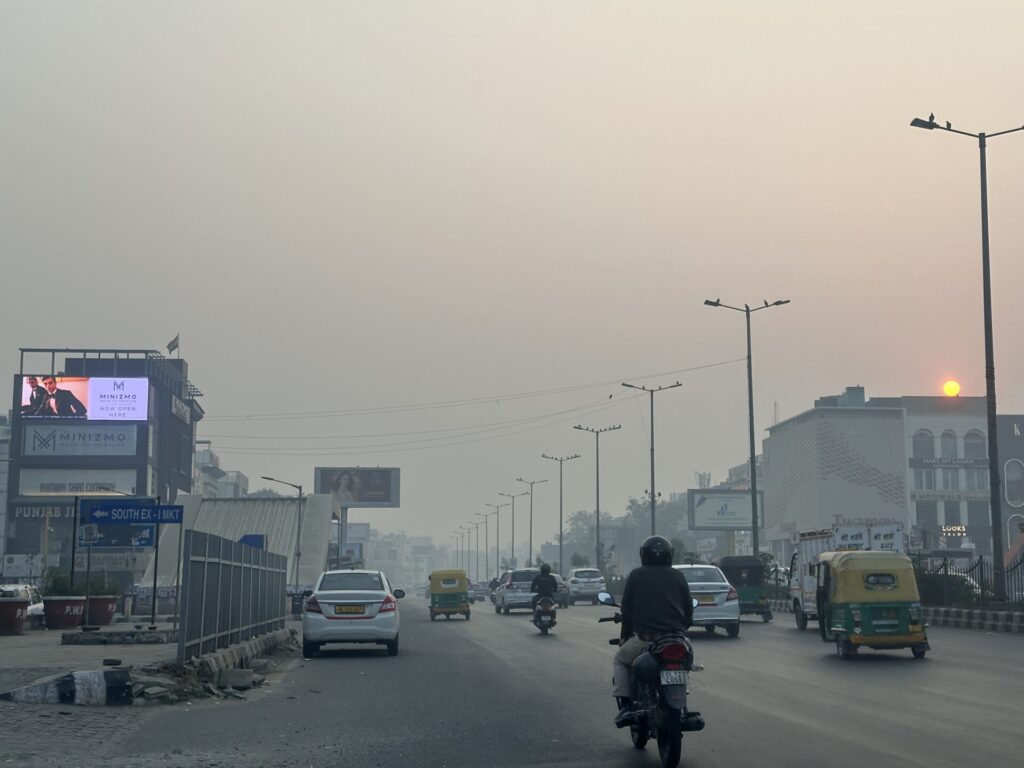
The connection between climate change and health began more than 30 years ago, when the scientific evidence base quickly outpaced any sort of action.
A landmark 2008 WHA resolution on climate and health pushed member states to take urgent action to develop what it termed “health measures” and to “integrate them into plans for adaptation to climate change as appropriate,” among four other action items.
“Health is the argument for climate action,” Neira argued. The causes of climate change and the causes of air pollution overlap 85%–the UN Environment Programme calls the combustion of fossil fuels “two sides of the same coin.”
This is why Neira and others at the intersection of climate and health see climate treaties as “the best public health treaties” with innumerable benefits.
Allergies and asthma
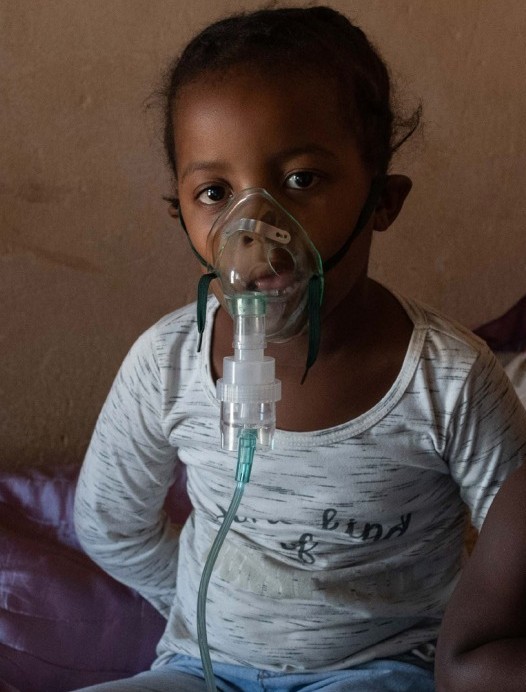
Roughly one in three people will suffer from allergies during their lifetime, whether from seasonal, food, medicinal, or animal bite allergens.
Pite is seeing more and more patients with severe environmental allergies and asthma conditions. Her patients are now younger than she’s seen in her 20 years of practice.
Her Lisbon-based practice sees patients with severe allergies and asthma – and the Portuguese city’s extended pollen season is only exacerbating the problem.
“Plants are suffering,” she said in explaining the longer seasons. Rising temperatures due to climate change have exacerbated pollen seasons, driving plants to produce more of the irritating substance earlier and for prolonged periods.
In the US, Australia, and across Europe, pollen levels have risen in the past decades, causing discomfort in many and severe respiratory distress in others.
This is why Pite hopes to reframe the narrative around climate change and respiratory health: “People know that air pollution can cause heart attacks–that extreme heat can do that. But what about a ‘lung attack?’” She argued that more education for medical professionals on climate risks–and proactive policies to prevent lung attacks–would mean less suffering for the vulnerable: children, those with chronic diseases, and older adults.
It’s just one health outcome that can be linked to climate change, but oftentimes the most severe, as Neira argued in saying the price of climate change is “paid by our lungs.”
Life dictated by avoiding heatwaves and pollutants

For patients living with these conditions, day-to-day life is often dictated by avoiding climate change hazards, Panagiotis Chaslaridis, a senior policy advisor at the European Federation for Patients with Allergies and airway diseases (EFA). His organization represents patients with chronic obstructive pulmonary disease (COPD), asthma, lung cancer, and other conditions.
“Patients have to be especially vigilant,” his organization’s website warns. One such patient, identified only by her first name, Kelly, shared her story with the UK’s Asthma + Lung advocacy group. She said she was “forced to move out” of central London after 14 life-threatening asthma attacks, which she attributes to the city’s air. Now, she’s worried for her one-year-old daughter, who has been rushed to the hospital twice for breathing difficulties. “We’ve decided to move farther out of London to the seaside,” she told the advocacy organization.
Europe is the fastest warming continent with an average increase of 0.56 C per decade since the mid-1990s. That’s nearly twice the global rate of 0.27 C per decade.
The PECCH Lancet report calls on ministries of health to embed climate-health topics into health profession education–and integrate climate change considerations into disease management.
“Climate change poses significant health risks for patients with chronic respiratory diseases, allergies, and skin conditions. These environmental hazards are no longer distant threats; they are becoming increasingly prevalent in Europe,” the EFA continues.
Neira and Pite also called for national health systems to track health outcomes linked to climate crises–so that countries can track just how much a burden heatwaves, air pollution, and prolonged pollen seasons have on their health systems.
The role of cities
Health experts see cities as the pioneers for action. The built environment–buildings, schools, and homes–is one frontier the UN Environmental Programme has charted metrics of climate progress.
Cities like London, Barcelona, and Nairobi are all pioneering solutions, such as ultra-low-emission zones, green spaces, congestion pricing, bike lanes, and urban gardens. The group C40 Cities has brought together a coalition of over 90 mayors to implement and share lessons learned from these solutions.
“Across the world, mayors are showing that good urban planning is climate action, from creating more connected and inclusive communities, to reducing emissions and protecting people from growing climate risks,” the group’s CEO Mark Watts said in a statement. “The decisions cities make today about how they grow and develop will shape the resilience, health, and prosperity of urban residents for generations to come.”
Neira sees mayors as the real leaders for climate-health action–especially for their ability to bridge multiple sectors. She explained that improving the lives of millions of people with respiratory diseases depends on coordination between the ministries of health, transport, environment, and energy. The Lancet PECCH report also echoes this call for coordination.
At the launch of the PECCH, WHO European regional director Hans Kluge said: “We have known for years what climate change does to human health. What we have lacked is the political architecture to act at the scale the evidence demands.”
Kluge asked the commission to “close that gap – not by producing more analysis, but by translating what we know into actionable recommendations that governments and WHO itself can no longer defer into the future.”
UN approves International Court of Justice climate ruling
This all comes at a particularly critical time in global climate action. As member states gathered in Geneva for the World Health Assembly, the UN General Assembly endorsed a landmark decision by the International Court of Justice which ruled international law binds countries to limit the carbon emissions driving the climate crisis
The Hague-based ICJ ruling holds significant “symbolic weight,” especially for bolstering legal arguments in climate litigation. Likely, though, major greenhouse gas emitters will ignore the ICJ ruling.
What this means for health is yet to be seen–especially for those suffering from “lung attacks” across the world.
See related story: https://healthpolicy-watch.news/un-backs-landmark-icj-climate-crisis-ruling-defying-us-and-petrostates/
Image Credits: Kelly Sikkema/ Unsplash, Chetan Bhattacharji, Dylan Paul, Center for Environmental Rights, CC.
Combat the infodemic in health information and support health policy reporting from the global South. Our growing network of journalists in Africa, Asia, Geneva and New York connect the dots between regional realities and the big global debates, with evidence-based, open access news and analysis. To make a personal or organisational contribution click here.